
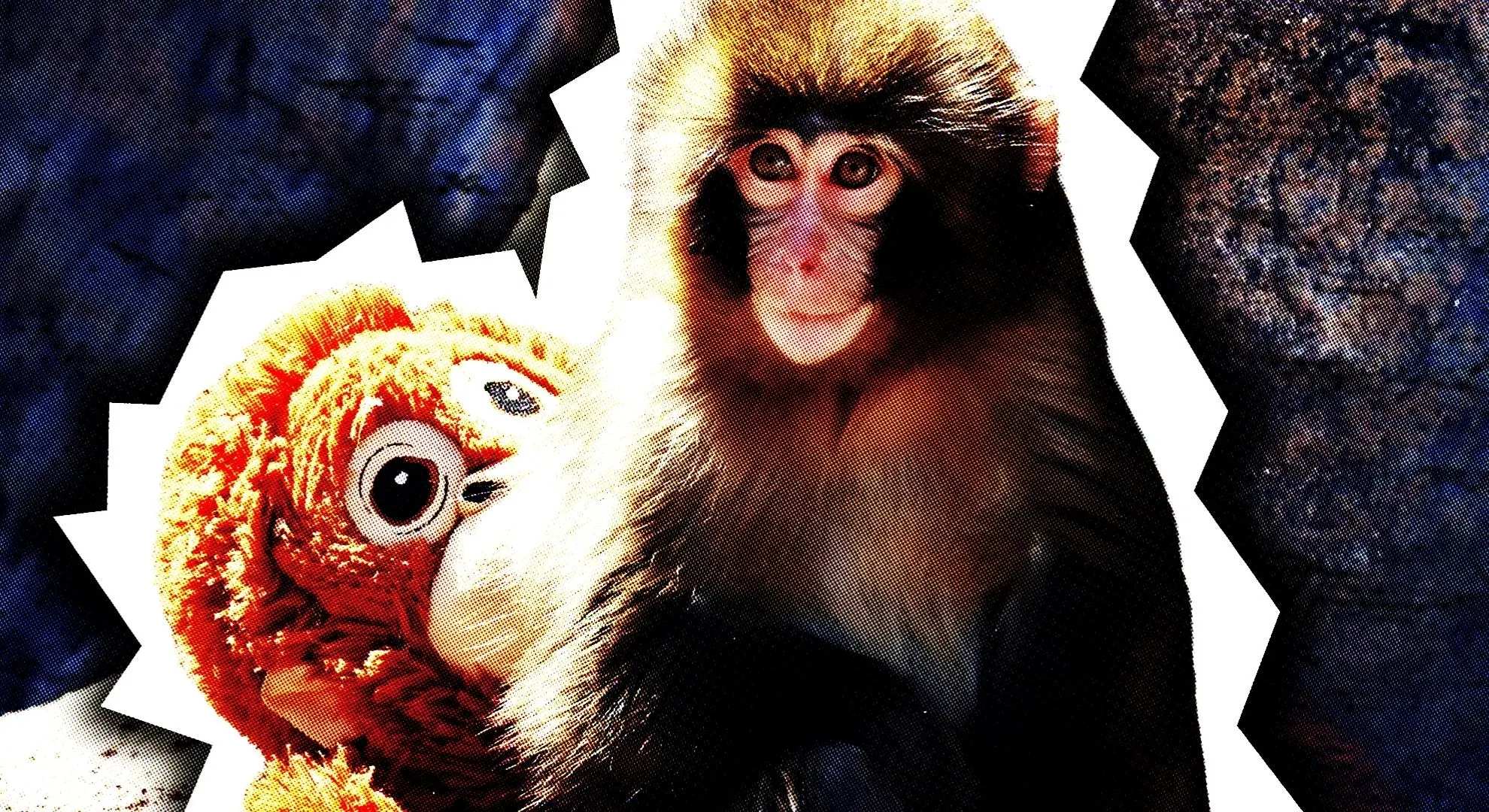
There are moments when words become unnecessary, especially when a single gesture carries the weight of fear, loneliness, and the quiet appeal to be comforted. A trembling body. A small hand wanting to hold and embrace something soft. A silent cry for safety.
In a video clip that touched millions online, a young monkey named Punch wrapped himself around a stuffed toy after being attacked and distressed by other older monkeys around him. To seek comfort, Punch fled away from them, clutched a stuffed toy tightly to his chest, and sought reassurance in the only way he knew how. And in that fragile embrace, a strong statement surfaced: emotions are not exclusive to humans.
What unfolded on the screen did not look like something new. Like a child retreating into the safety of a favorite blanket or a beloved toy after being bullied in the playground, the urge to seek comfort in moments of sadness is something deeply familiar to us.
However, for years, people have drawn a line between “us” and “them”. Us being rational beings, where emotion and feelings are always present, and them being instinct-driven creatures, with no sense for such things. Yet, studies in animal behaviour proved that such boundaries do not exist. They can feel. They form bonds. They respond to rejection. They seek comfort.
Punch’s hug was not a performance. It was more than just a cute internet moment. It was a raw display of vulnerability. It was instinct shaped by feeling.
In our generation, where we commonly believe what we see online, it is always easy to focus on the surface of everything. But, moments like this require a deeper reflection. If animals feel fear and seek comfort, then how should “we” respond?
Perhaps the lesson is simple: empathy should not stop at our own kind. And maybe that is the real story—not that a monkey cutely hugged a toy, but a reminder that the capacity to feel is not ours alone.
𝗪𝗼𝗿𝗱𝘀 𝗯𝘆 Axel Delino