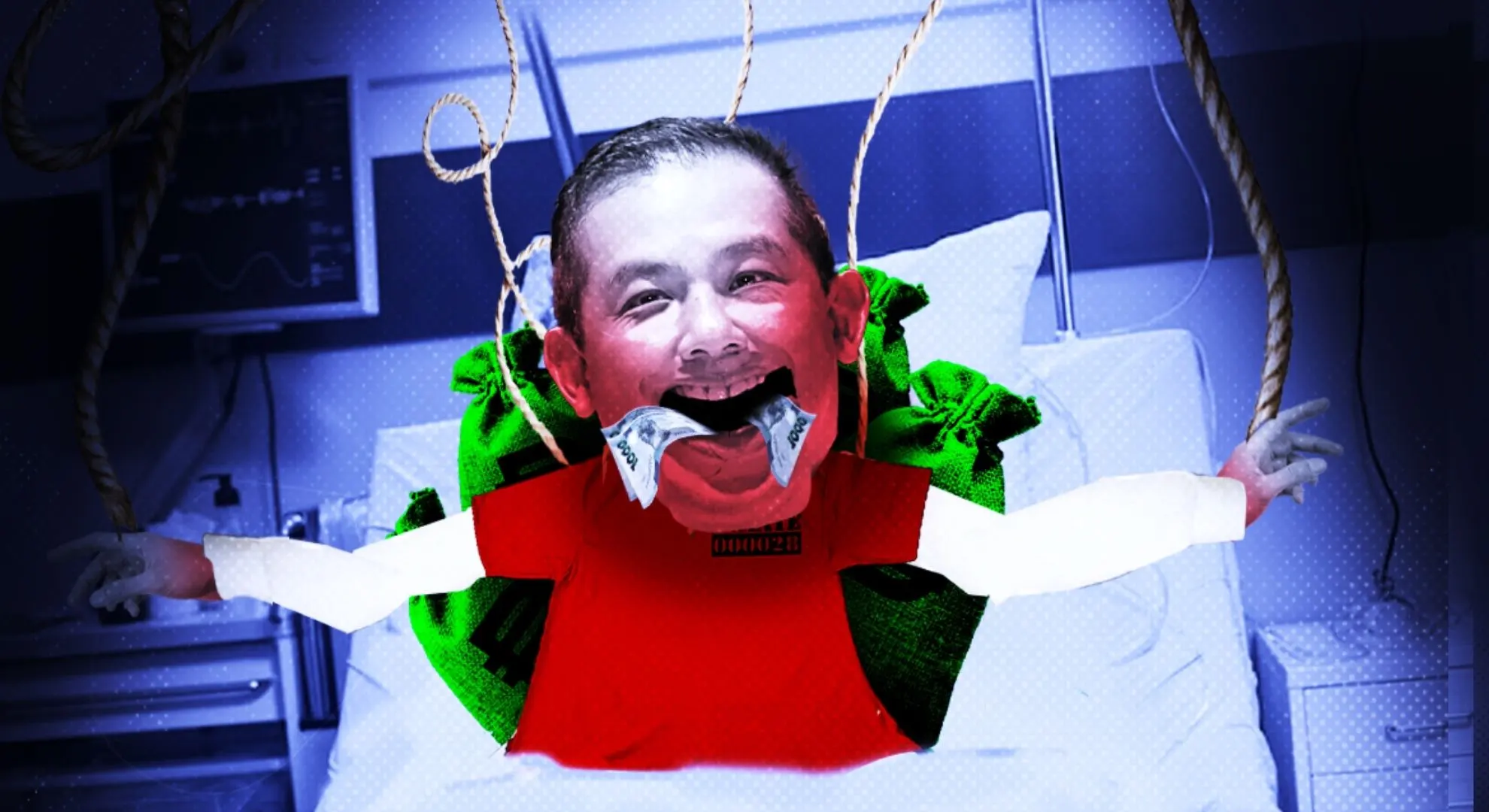

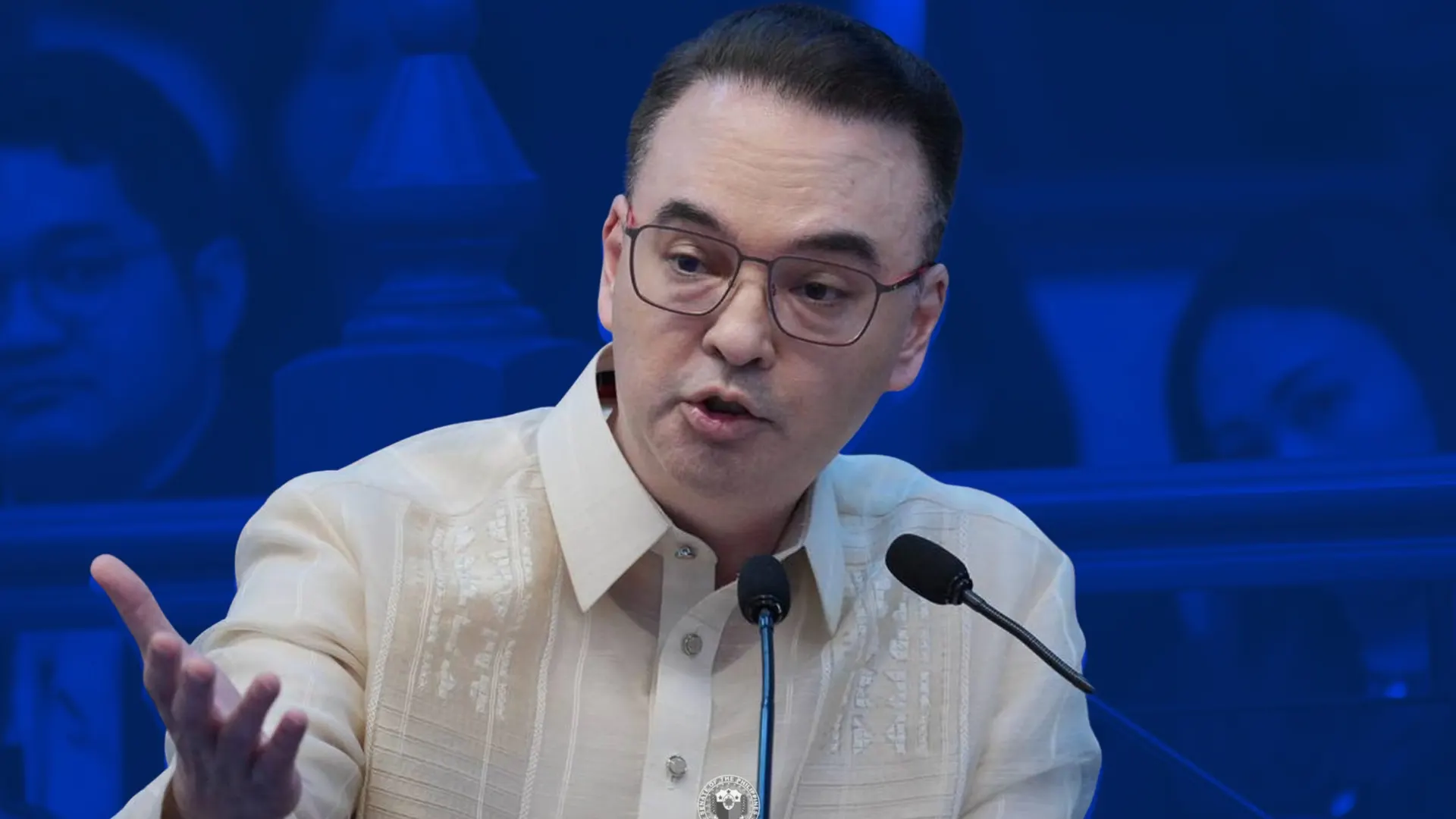
Senator Alan Peter Cayetano once tried to topple Tito Sotto as Senate President but was unsuccessful. For some, the third time’s a charm. For Alan Peter Cayetano, the second time’s a charm.
In early February, reports emerged that then-Senate President Vicente “Tito” Sotto had survived an alleged attempt by the minority bloc to oust him from the Senate presidency.
After their first failed attempt, the minority bloc regrouped and managed to gather the support of 14 senators behind a new Senate President—though not initially Cayetano himself.
It appeared that Alan Peter Cayetano preferred his sister, Pia Cayetano, to assume the top post. However, former Senate President Chiz Escudero reportedly opposed the idea.
According to Cayetano, Escudero instead backed his own bid for the position.
“He told me, ‘No, simple. Go around the 12.’ And he said some names. Sabi niya, ‘Ito ’yung mga medyo marupok or vulnerable, go to them. If they say yes, then go,’” Cayetano recalled.
It turned out that the “vulnerable” senators were the Villar siblings, Mark and Camille, along with Loren Legarda. With their support, Cayetano already had 12 senators in his camp.
To secure a 13th vote, they needed Senator Ronald “Bato” dela Rosa, who had been in hiding for more than six months due to an alleged arrest warrant issued by the International Criminal Court (ICC) in connection with his role as Philippine National Police chief during former President Rodrigo Duterte’s war on drugs.
Dela Rosa reportedly had reservations and was reluctant to attend the May 11 Senate session unless he was certain that the Cayetano bloc would prevail.
Cayetano assured him of victory, saying, “Sir, pang-labing apat siya (unnamed senator), pang-13 ka.” (“He is the 14th; you are the 13th.”)
Dela Rosa agreed and even used Cayetano’s vehicle to reach the Senate on May 11 and cast his vote. He was also reportedly promised “protective custody.”
The plot to unseat Senate President Sotto took weeks of careful planning. By May 11, it appeared that the political winds had shifted.
At 2:59 p.m.—just one minute before the session began—Cayetano assured reporters that there would be no leadership change aimed at halting the impeachment proceedings against Vice President Sara Duterte.
Ten minutes later, Cayetano stood at the podium and informed Sotto that 13 senators wanted him removed as Senate President.
By tradition, an incumbent Senate President is informed by noon on the day of the leadership change, though it was apparent why that practice was not followed.
After six months away from the Senate, Dela Rosa suddenly arrived to participate in the vote.
He rushed up the stairs, reportedly evading agents of the National Bureau of Investigation (NBI) who were attempting to serve an ICC-related warrant.
Following a 13-9-2 vote, newly elected Senate President Alan Peter Cayetano declared in his first speech that “In every crisis, there are big winners and big losers.”
He was referring to the economic crisis confronting the country, one that had been worsened by the U.S.-Iran conflict in the Middle East.
Yet another crisis was unfolding at the center of the Senate itself.
A lockdown was imposed as Dela Rosa’s arrest appeared imminent. Multiple gunshots were heard during a confrontation between Senate security personnel and NBI agents. After the standoff, Dela Rosa—who had remained inside the Senate for three days—managed to escape.
As the shooting unfolded, Cayetano said during a Facebook livestream: “This is the Senate of the Philippines. We are allegedly under attack.”
He questioned why government agencies had entered the Senate without coordinating with the appropriate authorities.
The NBI and Senate security personnel later offered conflicting accounts of what transpired on May 13.
When asked by reporters whether the standoff had been staged to facilitate Dela Rosa’s escape, Cayetano lost his composure.
“I don’t think there’s any question, the Senate is under attack … was under attack!” Cayetano said as he slammed his hand on the podium during a May 14 press conference.
For Interior Secretary Jonvic Remulla, however, “there was no attack on the Senate,” citing an investigation that found 39 of the 44 recovered bullet casings originated from within the Senate compound. This suggested that most of the shots had been fired by Senate security personnel.
Barely a week into his tenure, calls for Cayetano’s resignation intensified following the shooting incident.
He dismissed the criticism, saying he was accustomed to such attacks, pointing to his previous service as Speaker of the House and Secretary of Foreign Affairs under President Rodrigo Duterte.
Cayetano also acknowledged that negotiations between rival blocs were continuing.
The minority bloc has floated Senator Sherwin “Win” Gatchalian as a possible replacement. Its members, who call themselves “Solid Bloc 11” or “SB11,” are backing Gatchalian in an effort to “restore the damaged image of the Senate.”
During a forum with evangelical leaders on May 18, Cayetano declared, “I’ve reached the pinnacle of my career.”
He later said he was prepared to relinquish the Senate presidency at any time if it was God’s will.
“If the Lord gave me an eight-day mission, Monday to Monday, so be it. I’m happy; don’t worry about me. But if He’s giving me a 30-day mission, a 45-day mission, everything else is vanity,” Cayetano said.
The question now is how long that “mission” will last.
Senator Ping Lacson once described the Senate presidency as “the most unstable job in the world.”