

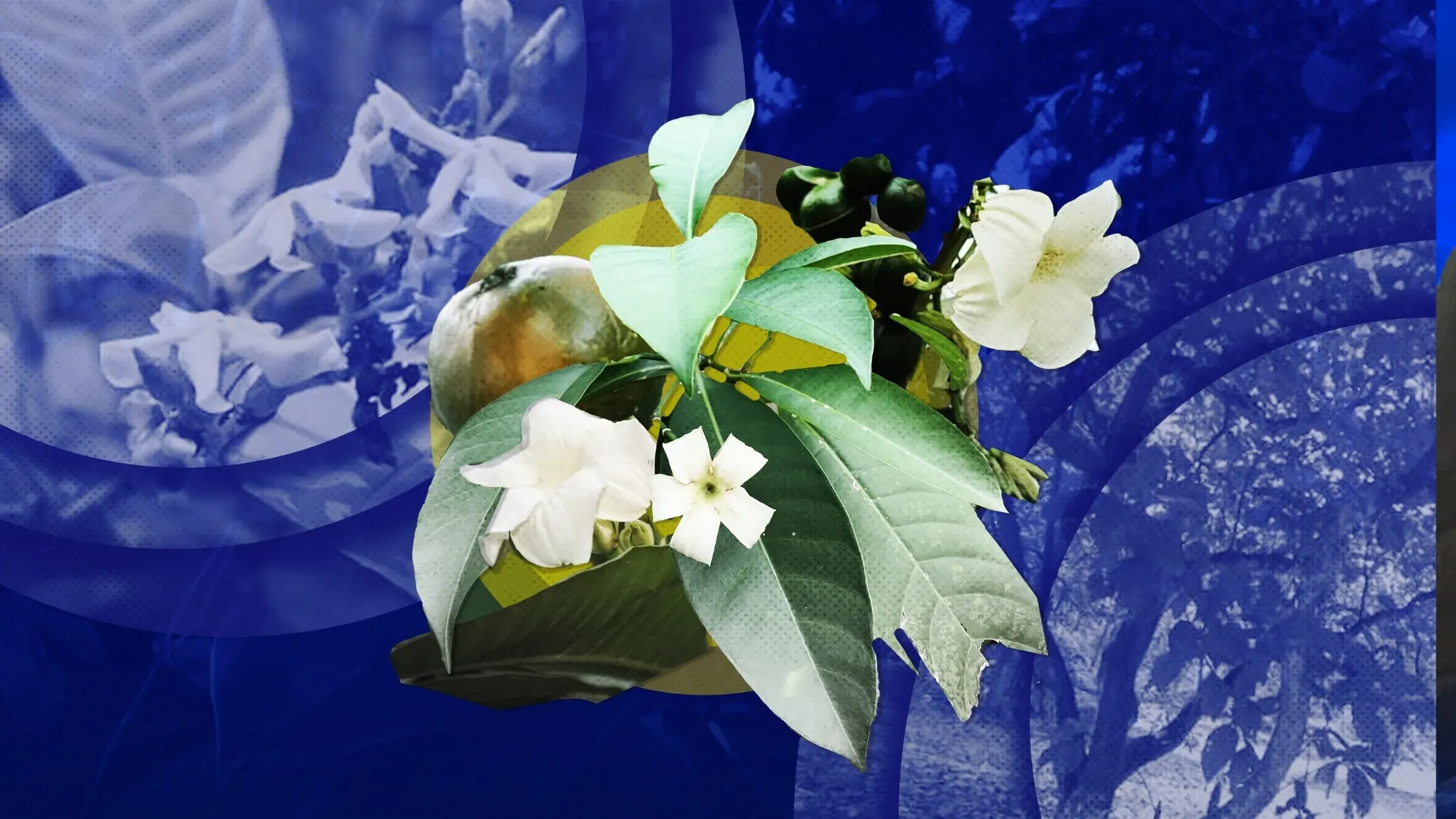
From folklore to frontline: Unlocking the anticancer potential of Voacanga globosa
Tucked in the core of the Philippines’ woodland is a tree whose name is sometimes made fun of. Voacanga globosa, locally known as bayag-usa, has been used by locals as a traditional medicine for years, but its healing properties were never scientifically proven.
A study by Joe Anthony H. Manzano from the University of Santo Tomas (UST) identifies that this plant can possibly cure cancer.
This year, Manzano won the First Prize from the NAST Philippines Talent Search for Young Scientists for his work done on the anticancer activity of the endemic plant Voacanga globosa.
The award is not only a recognition for a job well done, but more importantly, it shows the value of biodiversity in the Philippines.
From folklore to laboratory
Voacanga globosa is a vault, not because there are hidden riches found within it, but rather about the fact that it is the treasure itself.
Each part of the plant plays a vital role in sustaining our ecosystem: its root has been used as a fish stupefying agent; its bark is used for traditional medicinal purposes; its flower provides nectar for pollinators; its seed is used for research for its potential role in curing diseases.
Some parts of this plant contain “indole alkaloids”, which is a term for a set of bioactive compounds that have shown interesting medicinal potentials.
The discovery that made headlines
One of the alkaloids in the Voacanga globosa, called globospiramine, is said to have a special compound that can inhibit certain forms of cancer.
Manzano successfully isolated this special form of alkaloid from Voacanga globosa and analyzed its effect on different cancer cell types. He found out that globospiramine inhibits cancer cell proliferation, slowing down the abnormal division of cells associated with lung, breast, prostate, and ovarian cancers.
More importantly, globospiramine was able to trigger apoptosis, a process the body undergoes to remove unhealthy cells that can no longer control their growth.
As scientists began to delve into the vault of Voacanga globosa, another discovery came to light. The compound globospiramine may have inhibitory activity against the protein kinase MAPK14 (p38α), which is known to promote tumor growth.
By doing so, globospiramine can potentially act as an anticancer drug for patients suffering from various forms of the disease. However, despite the promising results, the experiment conducted on this plant needs to undergo further studies and trials before its vault of life-giving properties can truly be unlocked.
Why this discovery matters
Cancer is one of the leading causes of death worldwide, and finding a drug to combat it is a serious matter.
Many of the drugs used to treat cancer are derived from natural plants. Thus, the discovery of globospiramine shows not only the importance of Voacanga globosa, but the importance of biodiversity in general that can be found in the Philippines.
The isolation and identification of globospiramine is important because of the medicinal values of the endemic plant, Voacanga globosa.
This plant is a wealthy supply of biologically active compounds with possible medicine applications. Most particularly, its anticancer properties can potentially lead to the development of pharmaceutical drugs to handle different forms of disease.
Science rooted in Philippine biodiversity
As the Earth’s natural resources began to reduce, the need to protect what is left has become a critical issue.
With the potential pharmaceutical application of plants like Voacanga globosa, preserving our local biodiversity can not only help preserve it, but may contribute to the greater good of mankind.
There’s no telling what other medical phenomena can be found in the roots, stems, leaves, and flowers of our endemic plants.
More than just a tree
For the ordinary people, Voacanga globosa is simply another tree, almost unrecognizable from countless other types of trees found in the Philippines. But to scientists, it is a vault, containing a wealth that is not yet discovered by them. The potential of this plant is a proof of the miracles that our nature holds and the infinite puzzles that science seeks to solve.
The next medical miracle that will save countless lives is not found in a futuristic laboratory, but in the wild heart of the forest. After all, it all starts with someone who wants to look closer to the world around him.