
When did making people feel afraid become something worth sharing, liking, or laughing about?
Bombs here, guns there, threats are everywhere.
When a notification appears. A post is shared. A rumor spreads faster than the truth. Within minutes a school community that should be focused on learning turns into chaos, fear and uncertainty. This is the reality that most of Filipinos have been facing whenever threats circulate online.
Some people may see these threats as a “joke,” a way to gain attention or simply a post that will disappear after a few hours. But behind every threatening message lies damage to our peace of mind. It disrupts classes, creates anxiety among students and forces authorities to spend time and resources investigating whether a real danger exists.
Schools are supposed to be places where students worry about exams, assignments, and their dreams for the future, not about whether they are safe inside their own classrooms. Education cannot fully thrive in an environment where fear becomes a constant companion.
The rise of social media has made it easier for information, including false and harmful content, to spread quickly. According to the Philippine National Police (PNP), authorities have investigated numerous reported school threats online, many of which turned out to be hoaxes. However, even a false threat can cause real consequences because every report requires security responses, investigations, and precautionary measures.
Beyond disrupting classes, these threats also affect students emotionally. A simple post made for attention can leave thousands of learners feeling anxious and unsafe. The problem is not only the threat itself but also the growing mindset that treating fear as entertainment is acceptable.
Calling it a “prank” does not erase the damage it creates. A joke should make people laugh, not make an entire school question its safety. Freedom of expression comes with responsibility, especially in a digital world where one post can reach hundreds or even thousands of people within seconds.
Instead of spreading false alarms, why not use our voices to create awareness, encourage kindness, and build safer communities. Social media should be a tool for connection and positive change, not a weapon that creates fear.
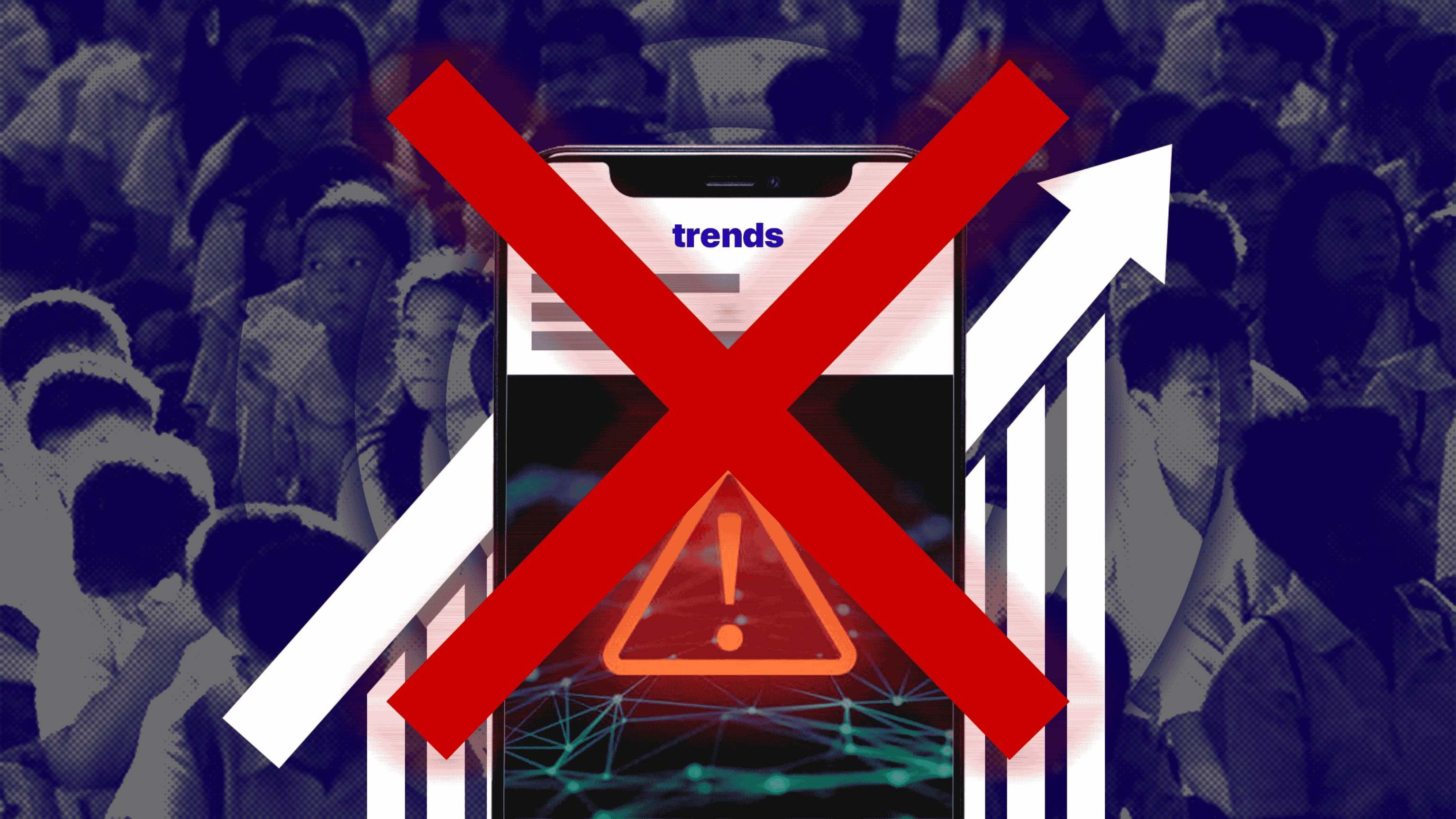
A school threat is not a trend that should be followed, shared, or normalized. It is a serious issue that reminds us that behind every screen is a person who can be affected by our actions. The attention gained from creating fear is temporary, but the consequences can leave a lasting impact.
Trends may fade, but the fear caused by threats leaves a mark that cannot easily be erased. If a threat can disrupt someone’s emotional well-being, can it truly be considered just a trend? Because, at the end of the day, it is up to us to decide the weight of our words and actions.