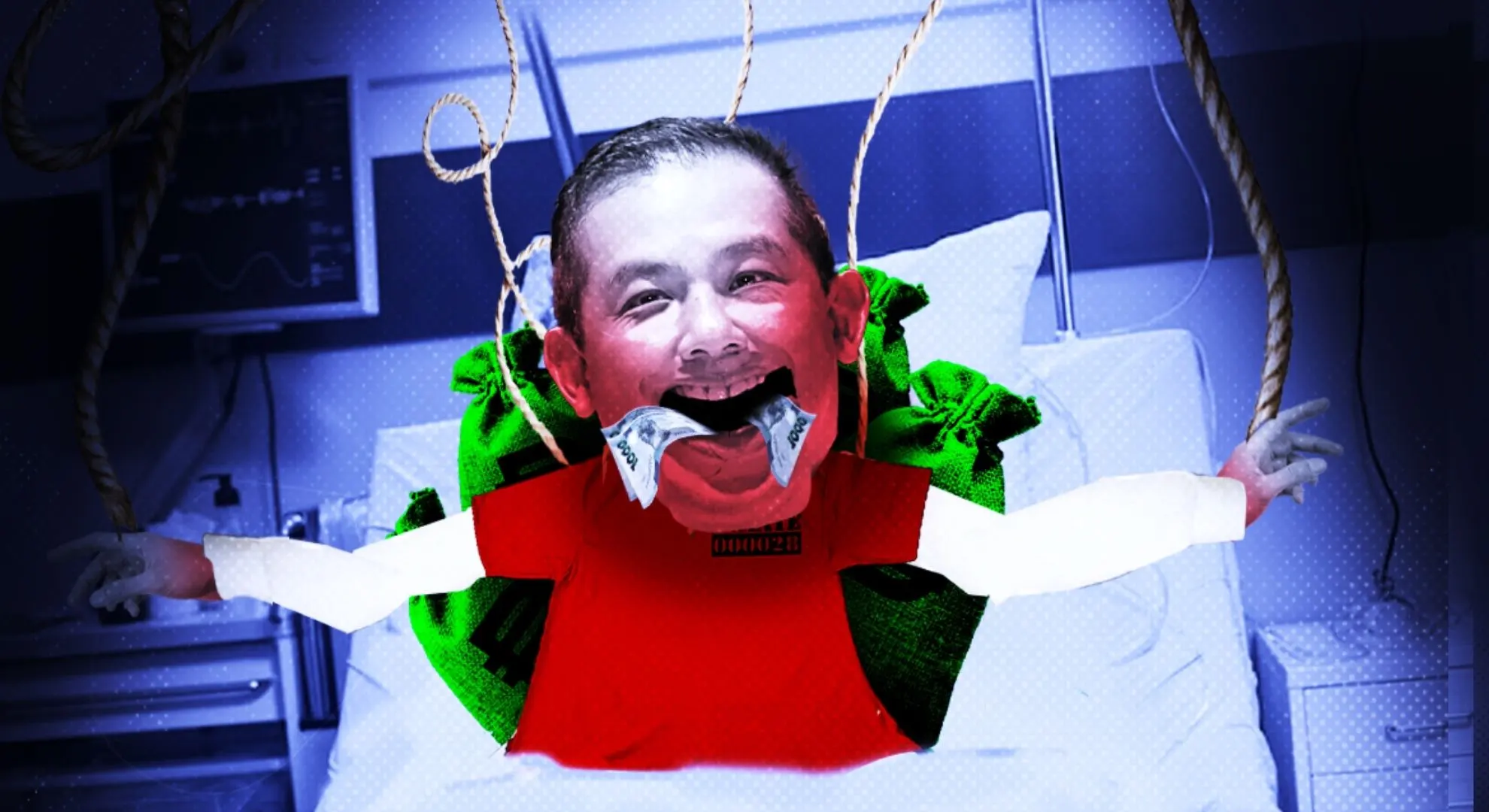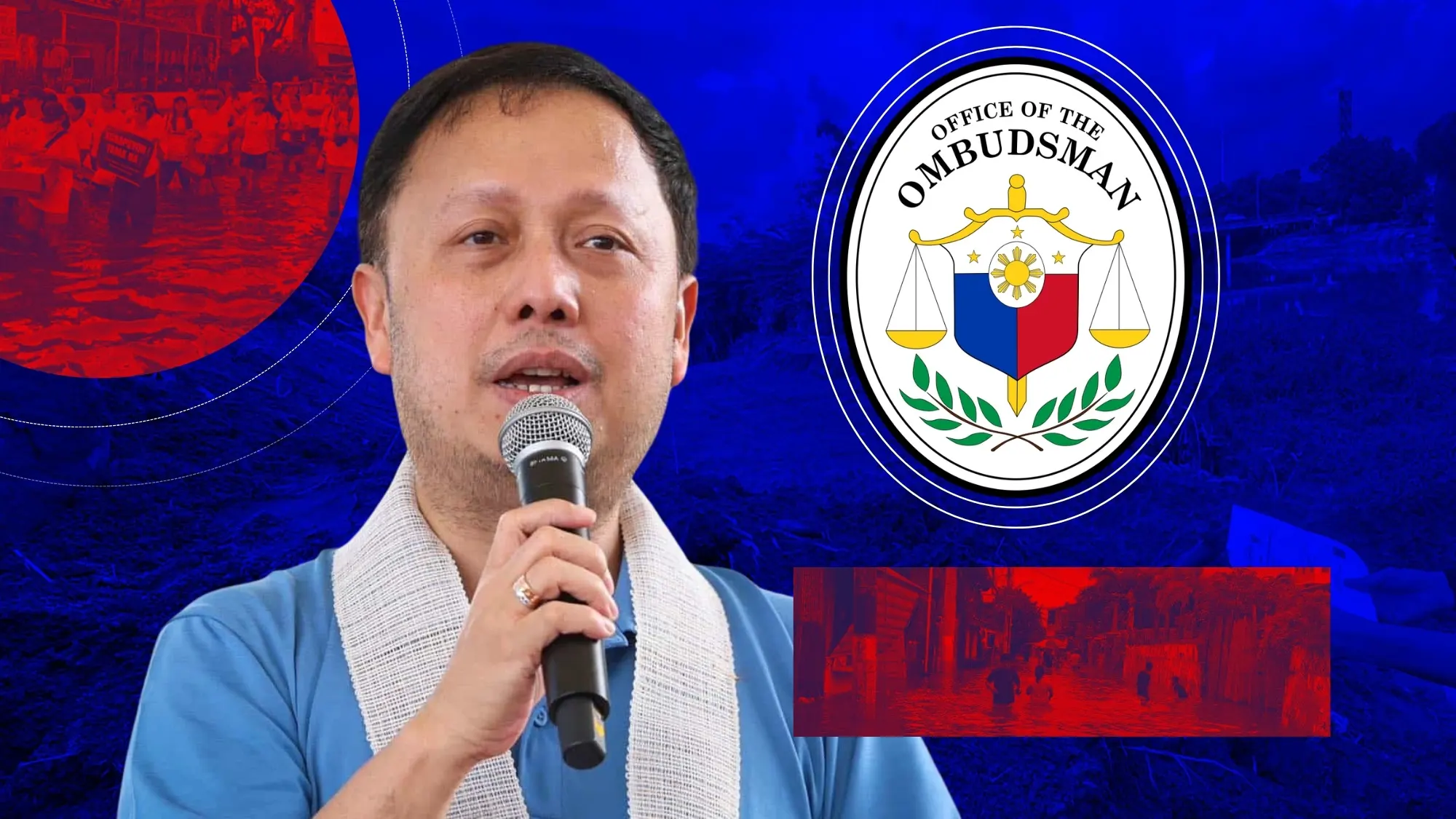


When ordinary Filipinos are accused of crimes, they are expected to face the law immediately. So why does it seem different when the accused sits in power?
The Senate of the Philippines has once again raised questions about accountability, justice, and the rule of law. On May 14, 2026, Senator Ronald “Bato” dela Rosa reportedly disappeared again after briefly returning to the Senate for only three days, following months of staying away from public appearances amid the issue surrounding the alleged arrest warrant issued by the International Criminal Court (ICC) against him.
The controversy intensified when several senators from the majority bloc allegedly pushed for arrangements that would allow Senator dela Rosa to participate in Senate proceedings virtually despite the ongoing legal issues surrounding him. Critics argue that these actions appear to undermine the principles of accountability and may be seen as an attempt to protect a fellow official from facing the legal process connected to the ICC investigation into the Duterte administration’s war on drugs.
The ICC reportedly confirmed that an arrest warrant had been issued against Senator dela Rosa in connection with allegations of crimes against humanity linked to anti-drug operations conducted during the administration of former President Rodrigo Roa Duterte. While supporters continue to defend him and question the jurisdiction of the ICC, others believe that true leadership means facing accusations directly before the court.
Supporters of Senator dela Rosa argue that the ICC no longer has jurisdiction over the Philippines after the country officially withdrew from the Rome Statute in 2019. Others also claim that the investigation is politically motivated and interferes with the country’s sovereignty. However, critics point out that the alleged crimes being investigated happened while the Philippines was still a member of the ICC. International law experts have also emphasized that withdrawal from the ICC does not automatically erase accountability for alleged crimes committed during the country’s membership. More importantly, questioning the court’s jurisdiction should still be done through legal proceedings and not by avoiding public accountability.
If Senator dela Rosa truly believes in his innocence, then he should face the charges and allow the legal process to determine the truth. Justice is not served by hiding, delaying proceedings, or seeking political protection. A notable example of facing accusations through legal means is former Senator and now ML Party-list Representative Leila de Lima. Despite years of detention and political controversy, she faced the charges filed against her in court. Eventually, several courts dismissed the cases against her due to insufficient evidence. Her case showed that the justice system, despite its flaws, should still be respected and allowed to function.
This issue is no longer just about politics. It is about whether powerful officials are willing to follow the same laws imposed on ordinary Filipinos. The principle that “no one is above the law” should apply to everyone, regardless of position, power, or influence.
As Filipinos, we must continue to demand transparency, accountability, and the equal application of the law regardless of status or political influence. Justice should never depend on power, popularity, or position in government. Citizens must remain informed, critical, and responsible in choosing leaders who respect democratic institutions and due process.
People can contribute by fighting misinformation, participating in discussions based on facts, and using their voices responsibly. Remaining silent in moments when accountability is questioned only weakens a democratic nation. A strong nation is built not only by leaders who obey the law, but also by citizens who continue to defend truth, justice, and the principles of democracy.
Public officials should not run away from accountability. Leadership is tested not during moments of power, but during moments of responsibility. Instead of avoiding the law, those accused should face the courts with dignity, transparency, and respect for due process.