
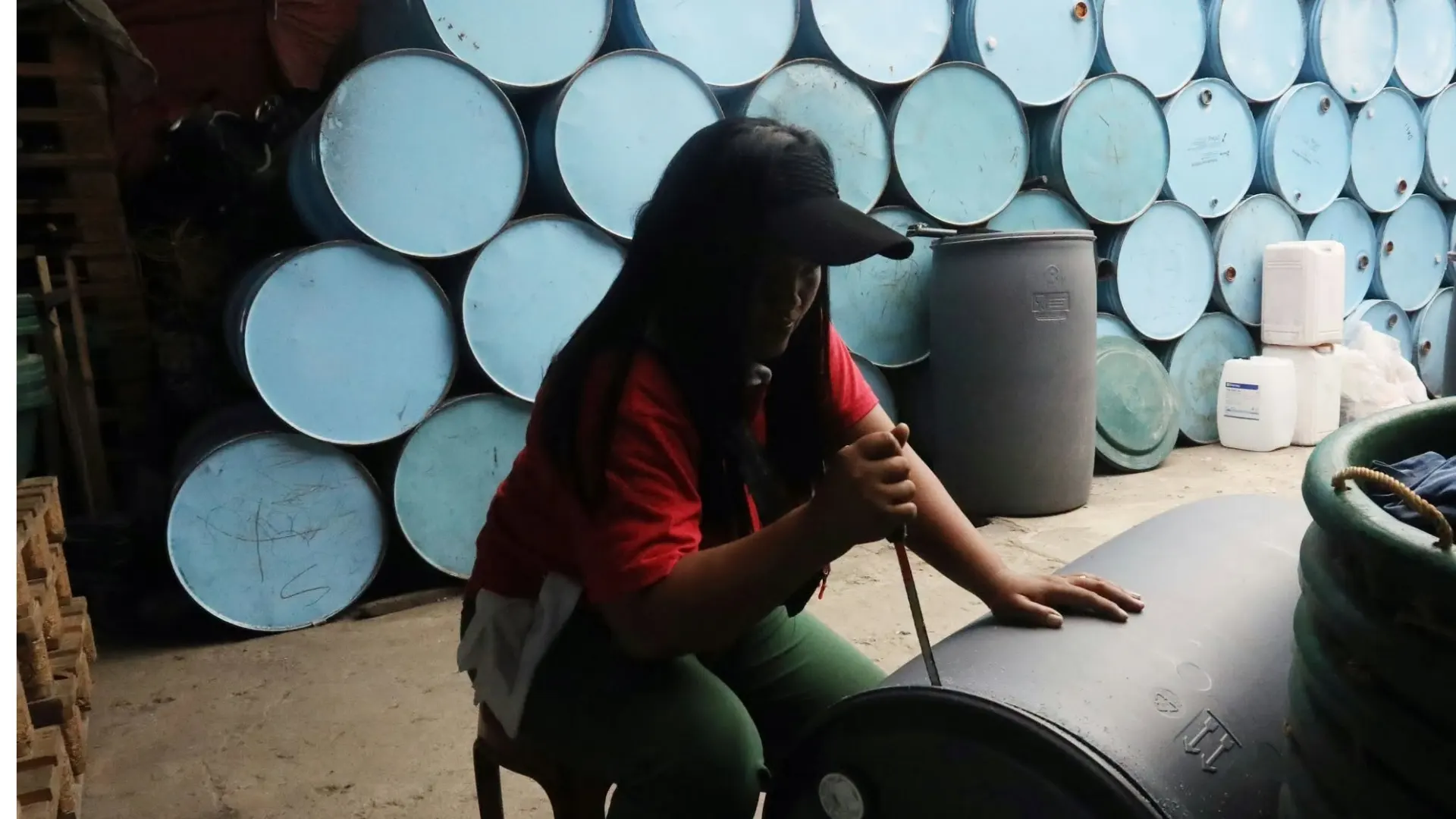
(Photo courtesy of Edd Gumban/PhilSTAR)
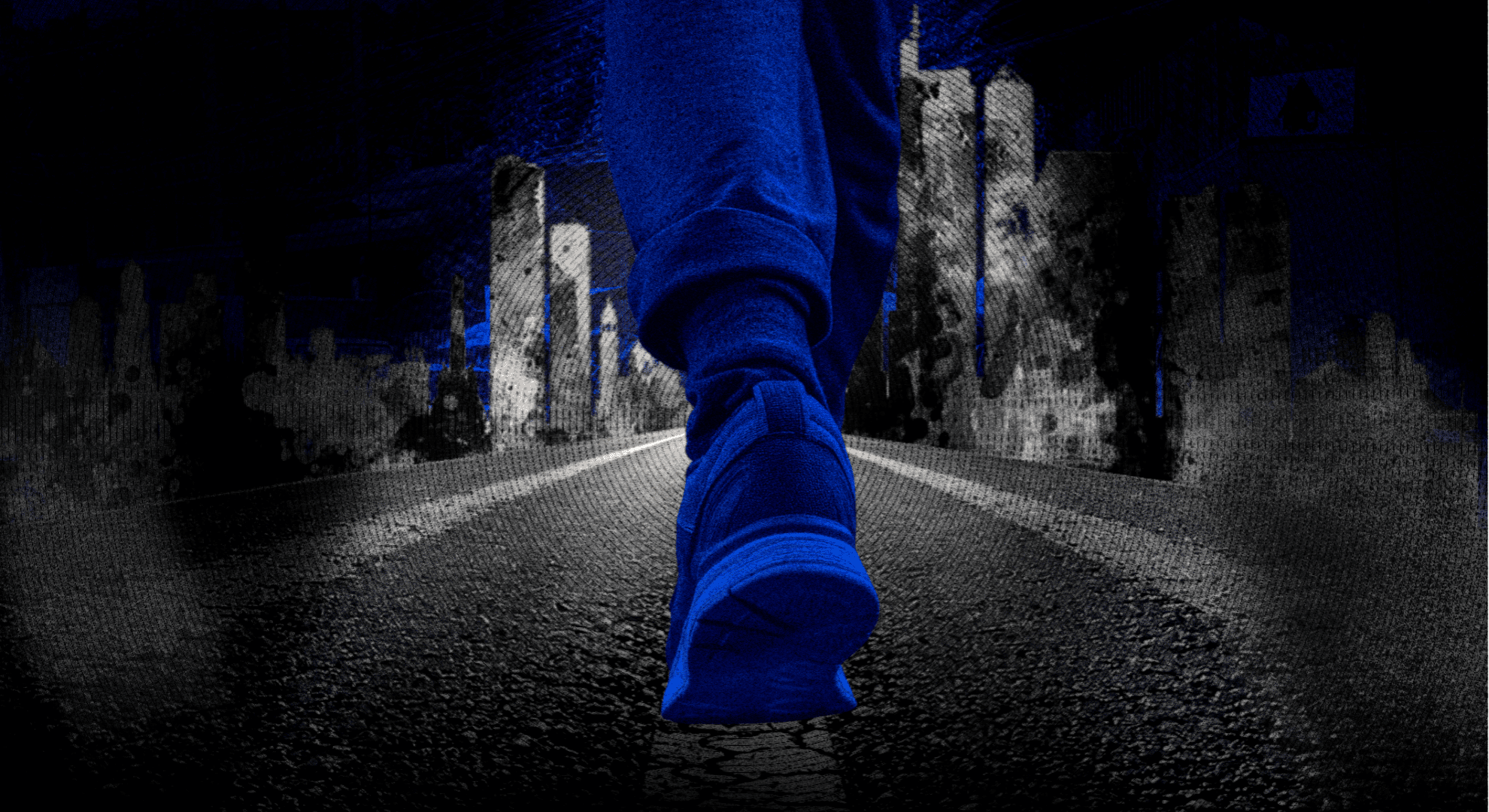
As the tap water runs dry, so are the government’s solutions. To a looming national water crisis, the government fights back with absurdity: “Bumili na kayo ng balde para pag umuulan, makolekta niyo na lahat.”
The official’s responsibility is down the drain; the Filipino people are left in a state of scarcity, where practical necessities can barely address the nation’s threat—Super El Niño. In a time where science calls for sustainable water management and agricultural protections in preparation for drought, each of the proposed solutions was disregarded in favor of temporary fixes.
On October 13, President Bong Bong Marcos Jr. urged the Filipino people to buy buckets in order to collect rainwater in anticipation of the upcoming Super El Niño. A practical preparation for many households, though, why should the Filipino people bear the responsibility of adapting to a crisis when the government should be expected to address it?
According to the Department of Science and Technology of the Philippines, Atmospheric, Geophysical and Astronomical Services Administration (DOST-PAGASA), a super-strong El Niño is already expected to further intensify between September and December 2026, persisting through the first months of 2027.
El Niño’s effects cause heat anomalies, short-term heavy rainfall, and drought, threatening the reliable water supplies of communities across the Philippine archipelago and impacting their livelihoods. No such phenomenon can be fixed by a few containers. Water is vital for households, agriculture, and businesses, and when the faucets run dry, no rainwater can patch the consequences.
A bucket is useless when there’s little to no rain to catch.
This is what’s concerning—the lack of long term water management. According to the Philippines Statistics Authority (PSA), nearly half of all Filipino families still lack access to safe and reliable drinking water. Ironically, DOST PAGASA noted that El Niño brings extreme heat and short, violent downpours. Yet the country is stuck with too few water supplies, without proper drainage networks and functioning storage facilities to capture stormwater—the real necessities the government should be prioritizing instead of endorsing retail plastics.
We cannot fight a climate phenomenon with just plastic buckets. Relying on household rainwater collection is cheap and dangerous band-aid advice for regular families, for with it, the government transfers its responsibility to the people. This exposes the frustrating lack of consideration and long-term planning for agricultural sectors, businesses, and food security.
With great negligence comes greater consequences; with Filipino people left to suffer with it, the administration shall never settle for a solution that can barely hide their systemic failure.
The Filipino people deserve more than mere advice that leaves them to fend for themselves; they deserve effective, concrete long-term plans that serve not only as a safeguard against El Niño but also, crucially, address the water shortages that leave hundreds of Filipinos vulnerable, with many communities still experiencing them today.
A bucket itself can temporarily serve as a patch to collect the leakage, but it cannot contain the heaviness of both the national crisis and government negligence. Andrea Lorraine C. Resente/JourKnows PH