
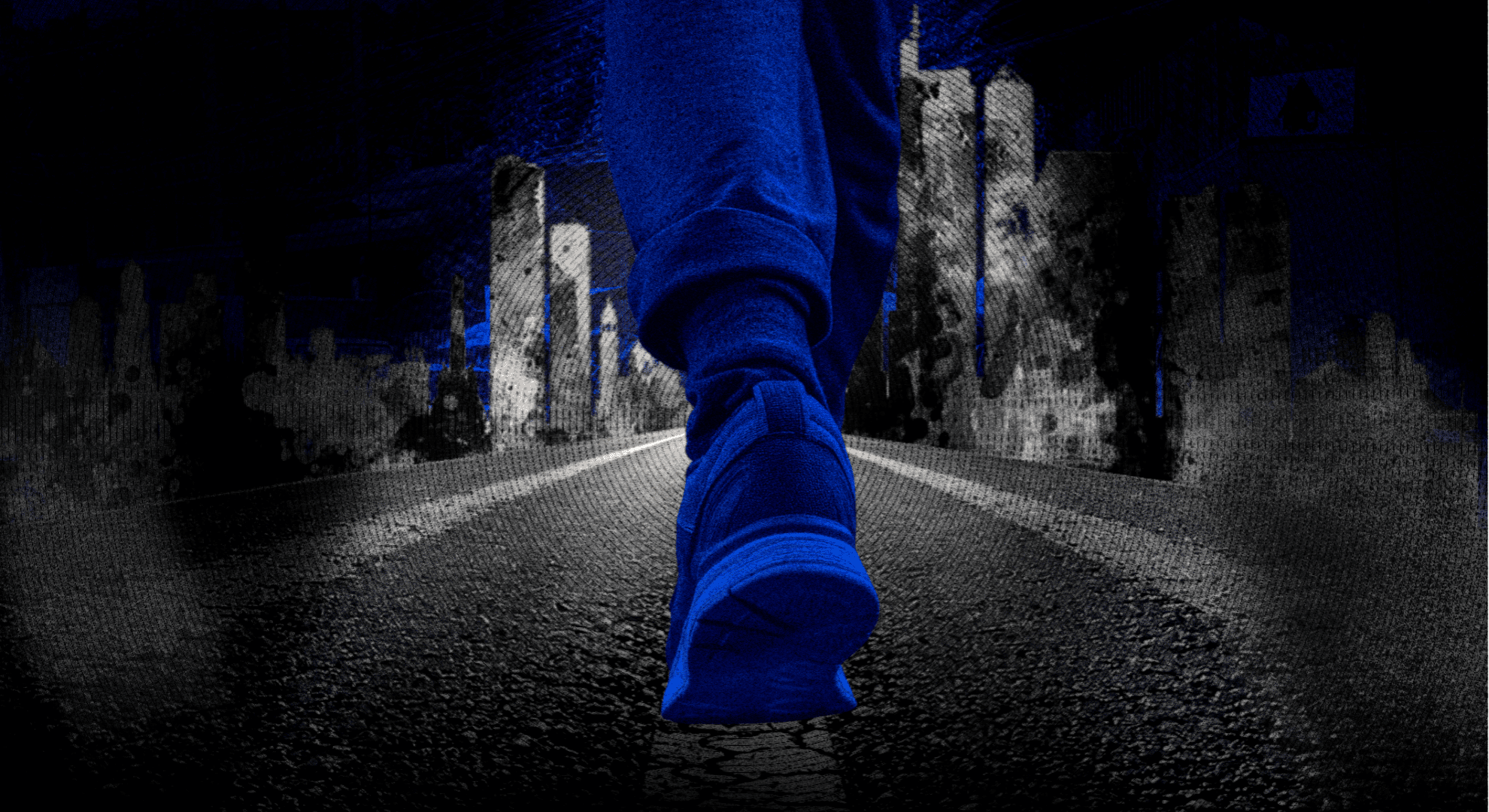
Metro Manila moves, but never for its people. Every day, millions of Filipinos are forced to navigate its streets on foot, yet the city’s very design punishes them for doing so. Sidewalks are blocked, uneven, shattered, or simply do not exist.
In this so-called bustling city, the streets are hostile and perilous for the majority—commuters who have no choice but to walk. Metro Manila relies on walking, but refuses to build itself for those on foot.
Walking should be a right, not a daily punishment. On major roads like Espana Boulevard, Commonwealth Avenue, and Taft Avenue, citizens are forced to risk their lives on broken pavements, dodge vehicles that have taken over sidewalks, and squeeze past vendors who have claimed what little space remains.
The numbers are damning: 94% of Filipinos walk or rely on public transport, yet only 5% of roads are safe for pedestrians. Filipinos spend most of their travel time walking, but the city treats them as an afterthought.
What should be the simplest act—walking—has become a daily ordeal. The consequences are not just inconvenient, they are deadly. The MMDA itself admits that pedestrians make up a significant share of road fatalities, often in places where sidewalks are blocked or missing, forcing people to gamble their lives beside speeding vehicles.
Broken footbridges, poor lighting, narrow paths, and illegal parking victimize students, senior citizens, workers, and persons with disabilities. The message from the system is clear: your safety does not matter.
Urban planning in Metro Manila is a monument to privilege, not principle. The government pours billions into road widening, flyovers, and expressways, while sidewalks and pedestrian crossings are ignored or treated as decoration for social media.
Sidewalks are routinely stolen for parking or vendor stalls, trampling on the basic right to safety. The solutions are obvious and within reach, but the government refuses to act. Sidewalk-clearing laws, continuous walkways, and real urban planning are possible, but only if officials choose to serve the people instead of private interests.
Local governments must stop passing the buck and maintain sidewalks across all districts, while the national government must finally put commuters at the center of infrastructure plans. More than that, the country needs a cultural reckoning: walking must be recognized as a right, not a punishment for those without cars.
Metro Manila can be more than a region that moves for the privileged few. The real problem is the system itself: weak enforcement, neglect, and a mindset that puts privilege above public good. The city can keep building roads, bridges, and flyovers, but until it builds for the people on foot, Metro Manila will remain stuck in place. Sofia Avery D. Namuco/JourKnows PH