
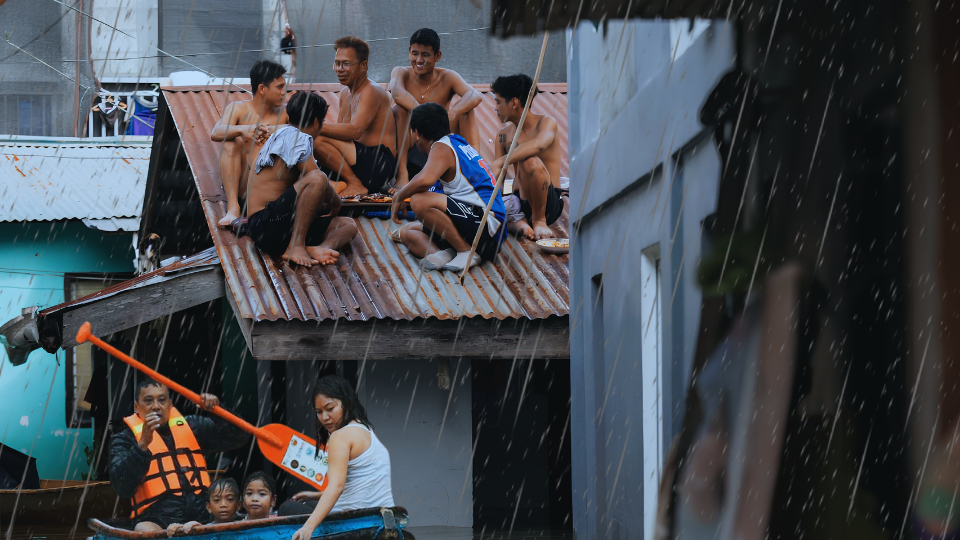
Kalami is a Bisaya term that means “delicious” or “satisfying.” It is what one says over a hot meal, a cold beer, or good news—an expression of pleasure, of savoring something good. For Filipinos who do not speak the language, the sentiment still translates: the warmth of a good meal, the relief of a moment’s peace, the satisfaction of something finally going right.
In the context of disaster response, however, that satisfaction curdles into irony.
Filipinos are celebrated for their resilience. They smile through typhoons, joke through blackouts, and say “kaya natin ‘to,” even when floodwaters rise. Images of families grinning despite waist-deep floods are celebrated as icons of the indomitable Pinoy spirit. However, this same resilience has become a convenient excuse for the government to neglect proper disaster risk reduction management (DRRM), banking on the Filipino spirit to fill the gaps left by poor planning, inadequate infrastructure, and the lack of accountability.
The Philippines has faced the challenge of being the “world’s most disaster-prone nation” for 16 consecutive years, according to the World Risk Index. Over 2.9 million people were displaced, 79,000 homes were destroyed, and 174 lives were lost in just one recent cyclone season. Yet year after year, the same vulnerabilities are exposed: clogged drainage systems, underinvested infrastructure, reactive disaster spending, and informal settlers persisting to live in danger zones.
Filipino scholars have long criticized the “romanticization” of Filipino resilience, arguing that it normalizes suffering, fosters “toxic positivity,” and excuses failures of state institutions. When resilience becomes a cultural trait rather than an institutional commitment, it shifts the burden from the government to individual citizens. The question, as DOST Secretary Renato Solidum Jr. posed, is stark: “Does survival imply resilience?”
The answer, increasingly, is no.
The September 2025 northern Cebu earthquake exposed a critical flaw in how interdependent systems function. Long lines of government and private convoys rushing north with aid turned the national highway into a virtual parking lot. Observers viewed this deluge of uncoordinated initiatives as a sign of eroding trust in government—an erosion of social capital, the very resource described in disaster scholarship as the lifeline of vulnerable communities.
What appears as progress is often what scholars call “aesthetic modernization that masks fragile systems of care, dependency, and sustainability.” The impressive skyline, the gleaming malls, the private vehicles, and generator sets. These markers of middle-class “resilience” put the burden on individuals who, no matter how resourceful, cannot replace public systems.
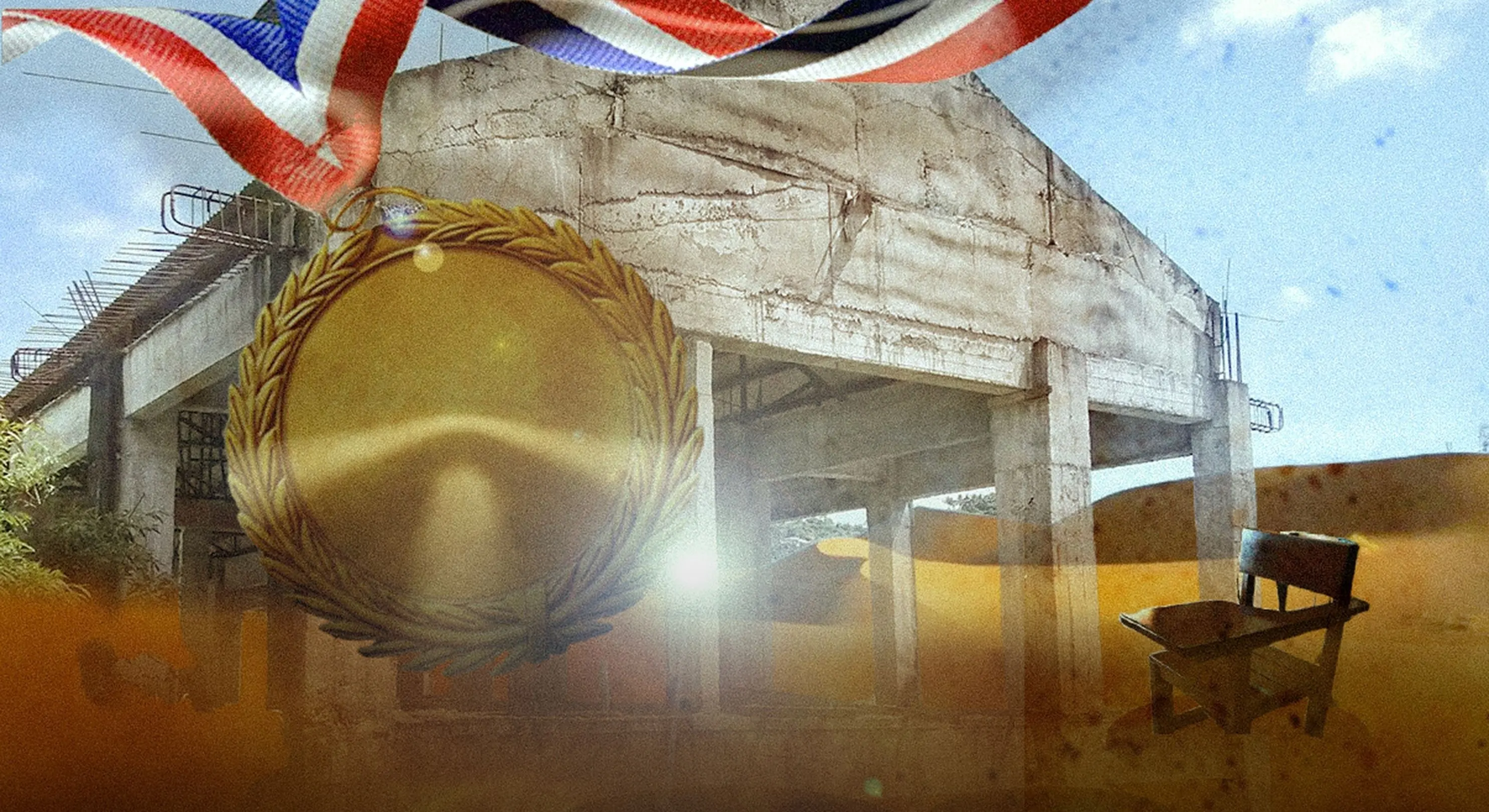
And then came the flood control scandal. A shocking Senate investigation revealed at least 673 fully paid but non-existent “ghost” flood control projects from 2016 to 2025, costing Filipino taxpayers an estimated ₱180 billion ($3 billion). Senator Panfilo Lacson noted that this figure only covers ghost projects—not the substandard or incomplete works that were also paid in full. President Ferdinand Marcos Jr. himself condemned contractors allegedly ring-fencing billions worth of government contracts.
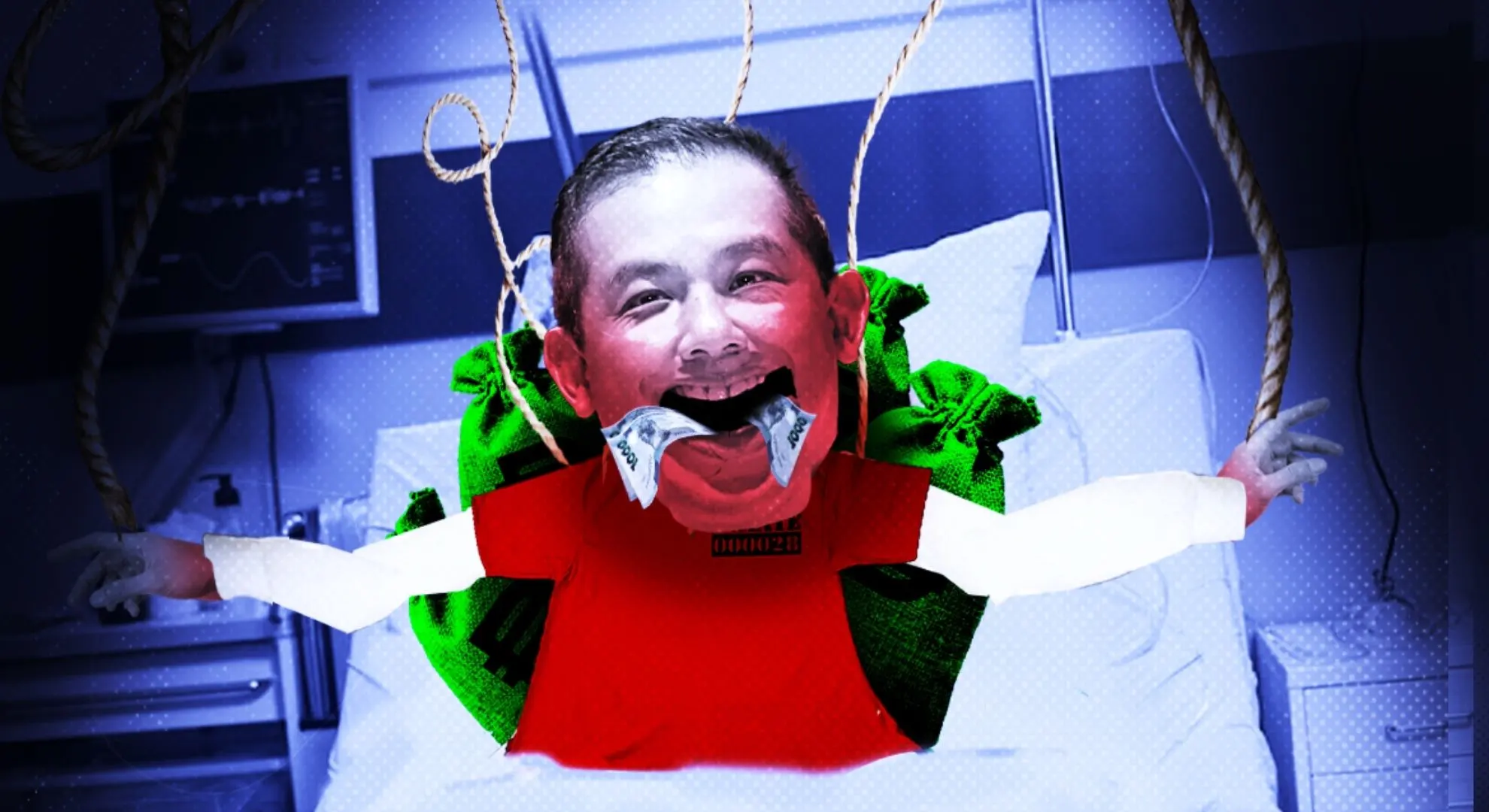
DPWH engineers admitted to gambling away illegal proceeds to launder money. Contractors described packing boxes for instant noodles but filling them with cash instead. One contractor, Sally Santos, testified about bringing boxes intended for instant noodles that were instead packed with cash—a photo of millions of pesos stacked on a pool table at a DPWH district office drew public outrage. One DPWH engineer admitted to personally delivering over PHP1 billion in cash—packed into over 20 suitcases—to a lawmaker’s penthouse.
Vulnerability to disaster is produced not by failures of moral discipline or resilience, but by state neglect, deceptive planning, and corruption. For years, disaster risk was framed through what historian Karl Jacoby calls a “moral ecology”—blaming ordinary Filipinos for lacking discipline, for improper garbage disposal, for living in slum areas that obstruct waterways.
”Kalami gyud!”—satisfying indeed. But Filipinos are savoring not the taste of survival, but they have simply gotten used to the flavor of a system that keeps them perpetually bailing water while those in power build their boats. The Filipino spirit of endurance will always be a strength, not a compensation for its absence for good governance.