

Long before we understood the deeper meaning of love, we were taught the boundaries that shaped who it could be with and who should be considered off-limits. When we were young, our parents fed us well-known fairy tales that made us believe that this was how romance worked.
Women were expected to be like Cinderella: kind, obedient, patient, humble, hardworking, beautiful, and self-sacrificing, suggesting that women should endure hardship quietly and remain good while waiting to be rewarded. While men were seen as Prince Charming, who ordered a kingdom-wide search for the girl who left behind the glass slipper.
Perhaps men were also imagined as Flynn Rider, who gave up his own safety so Rapunzel could see the floating lanterns she had dreamed of seeing her whole life.
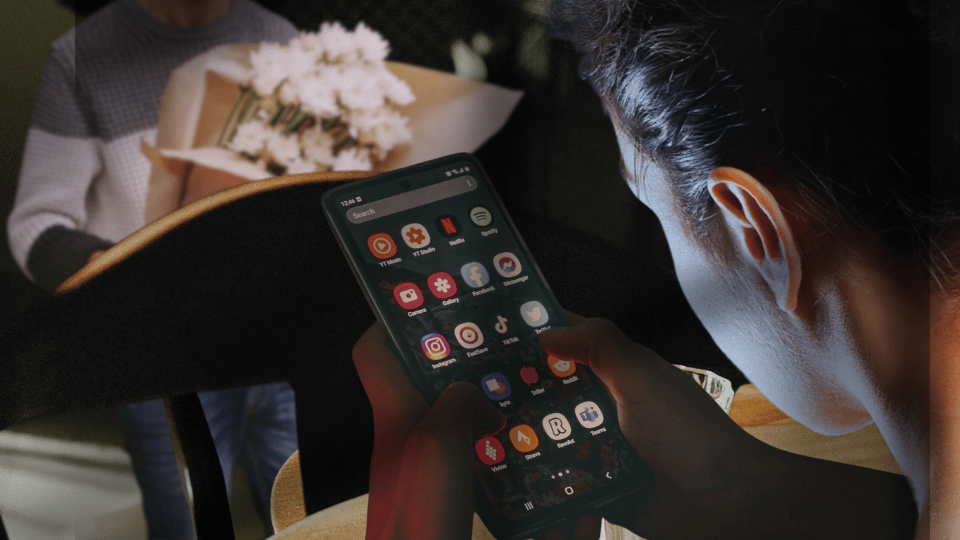
But as we grow older, the romances of our generation are increasingly shaped by social media trends that eventually become standards. These trends have made romance more complicated for this generation.
3rd-month curse
The 3rd-month curse is a viral belief that circulated on TikTok around 2022. Many people believe that relationships begin to change or fall apart around the third month, when the honeymoon phase fades, and real compatibility starts to show.
The trend was popularized by Taylor Herd (@taytalkspod), who posted a video saying that a partner “can’t fake it for three months” The video gained millions of views and helped launch the hashtag #3monthrule.
Soft launch
This trend began on Instagram around 2020. A soft launch is a social media move in which someone hints that they are in a relationship through photos of hands, shadows, coffee dates, or cropped pictures, without revealing the partner’s identity.
It quickly became popular as celebrities and influencers began posting partial relationship clues, while TikTok users turned the behavior into a widely recognized trend and meme.
Situationship
One of the most controversial trends is the situationship. It refers to a connection that feels emotionally like a relationship but lacks a label, commitment, or clear direction.
The term existed on Twitter, Tumblr, and within Black internet culture before TikTok popularized it through relationship creators and Gen Z dating discussions.
Love bombing
Love bombing means overwhelming someone with intense affection, attention, gifts, and promises very early in a relationship.
The term comes from psychology and cult research, not from TikTok. The term “love bombing” was coined in the 1970s by members of the Unification Church, referring to overwhelming new members with affection, attention, and praise. Later, psychologists and researchers such as Margaret Singer studied similar behaviors as forms of manipulation and coercive influence.
Green flag / Red flag
A green flag signals healthy relationship behavior, while a red flag signals a warning sign.
Although these phrases existed in earlier online discussions, Twitter and TikTok made them viral. They became a fast, meme-friendly way to judge a person’s behavior.
Ghosting
Ghosting is suddenly ending communication without explanation, leaving the other person with silence instead of closure.
It emerged from online dating and texting culture in the 2010s. Dating apps and social media made disappearing easier and more common.
When celebrities become relationship blueprints
Filipinos are often seen as highly influenced by trends, especially when high-profile celebrities are involved. Trends would not become standards without celebrities helping shape social media behavior into something people try to follow.
These Filipino celebrities became examples of these trends:
Andrea Brillantes
Often called the “Soft Launch Queen”, Andrea became associated with soft launch culture, especially during her relationship with former boyfriend Ricci Rivero. Followers frequently analyzed her posts for hidden relationship clues—cropped photos, matching locations, and subtle captions that sparked online speculation before any official confirmation.
Francine Diaz & Seth Fedelin
Fans often debated whether their closeness was purely professional, friendly, or romantic. This made them a local example of the modern “undefined relationship” that fuels online discussions and fandom theories, which sparked rumors of a situationship.
However, love should not be shaped by social media trends. Just because celebrities do something does not mean we are required to do the same.
Love comes from the heart, mind, and soul—not from social media, influencers, or celebrities. If we truly believe in love, then we should understand that these trends do not define it.
If we genuinely love someone, we would not assume that the relationship will end after three months simply because the 3rd-month curse exists. Social media cannot measure how long a couple will last, nor can it fully determine whether someone is a green flag or a red flag.
Love changes, grows, and survives according to the choices and commitment of the people involved—not according to trends or algorithms.