
The true measure of a cause is not how loudly it is celebrated, but how faithfully it is remembered after the celebration ends.
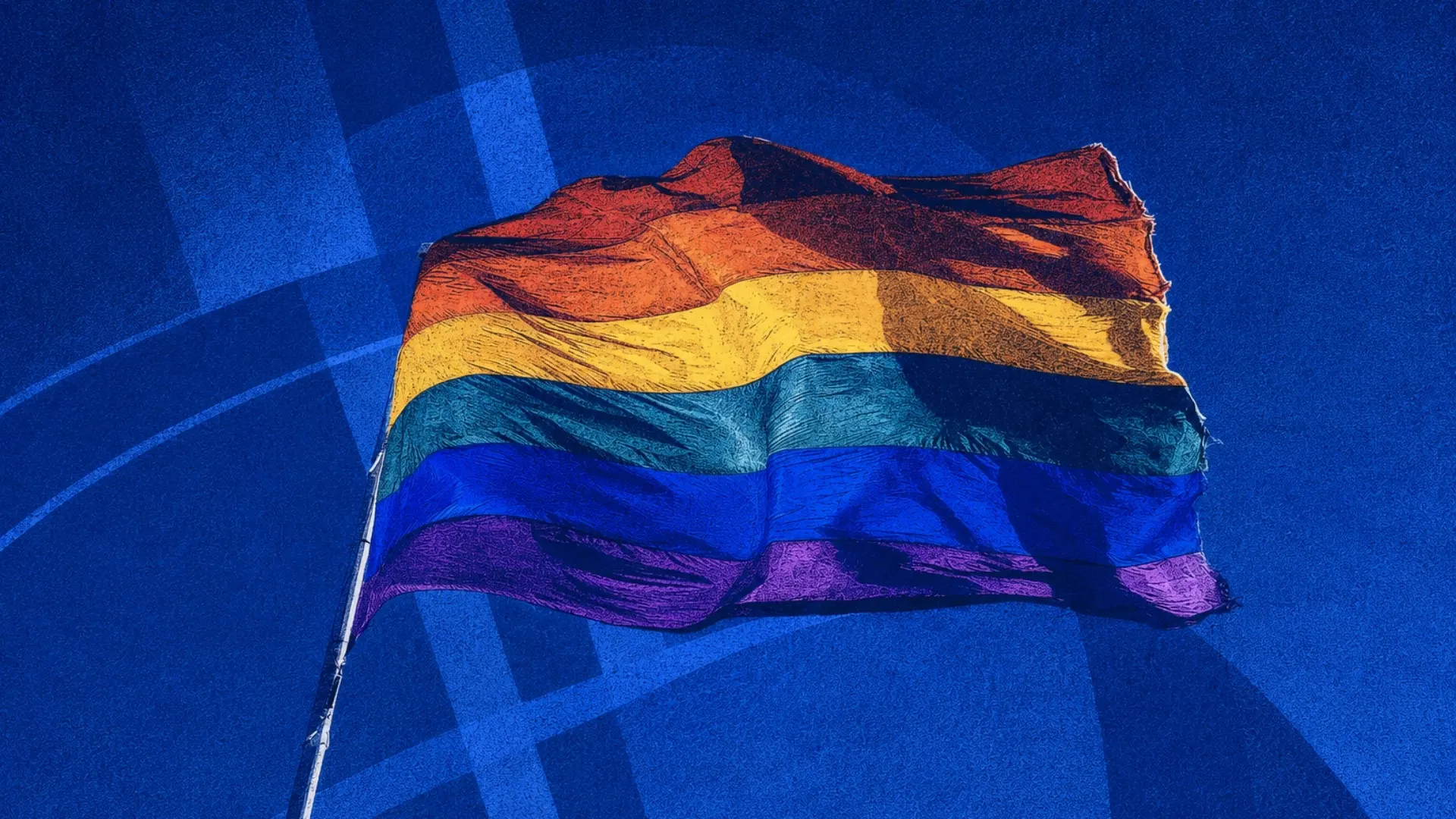
Every June, cities are painted rainbow. Companies redesign their logos, timelines overflow with messages of solidarity, and Pride parades fill the streets with music, hope, and courage. For 31 days, the world seems to remember that the LGBTQIA+ community exists.
Then July arrives—the rainbow quietly disappears, logos return to their original colors, campaigns come to an end, and conversations lose their urgency. For many, Pride Month is over, but for millions of queer individuals, however, the struggle never was.
That is the greatest irony of Pride. Society often treats it as a month-long celebration when, in reality, it represents a year-round fight for dignity, equality, and the simple right to exist without fear.
First, discrimination does not follow a calendar. When June ends, queer students do not suddenly stop experiencing bullying inside classrooms, employees are not automatically spared from workplace discrimination, and families do not instantly become accepting. In the Philippines, the proposed SOGIESC Equality Bill which seeks to prohibit discrimination based on sexual orientation, gender identity, gender expression, and sex characteristics, has remained pending in Congress for years despite repeated filings. The fact that many LGBTQIA+ Filipinos continue to call for legal protection reminds us that the struggle for equality extends far beyond a single month.
Second, allyship loses its meaning when it becomes seasonal. It is easy to celebrate Pride while rainbow flags decorate storefronts and social media feeds. It is much harder to speak up when someone becomes the target of homophobic slurs, when a classmate is mocked for their identity, or when discrimination happens in ordinary spaces where there are no cameras and no hashtags. Support is not measured by the colors we wear in June but by the courage we show in July, August, and every month that follows.
Third, Pride is not merely about identity—it is about humanity. At its core, the movement asks for something that every person deserves: respect, safety, and equal treatment. Regardless of personal beliefs, no one should be denied opportunities, threatened, or humiliated simply because of who they are. A society that selectively protects human dignity weakens the dignity of everyone.
This is why I believe we need to rethink how we celebrate Pride. The parades matter. The visibility matters. The stories matter. But they should serve as reminders, not substitutes, for meaningful action. Schools must continue creating safe spaces for learners. Workplaces should strengthen anti-discrimination policies. Communities must foster conversations rooted in respect rather than prejudice. Above all, each of us must understand that acceptance is not an annual event—it is a daily decision.
As June ends, the rainbow flags will inevitably come down, and that is perfectly fine. What must never come down are the values those colors represent.
Compassion should not expire with the calendar. Respect should not end when the parade does. Equality should not be celebrated for 31 days and forgotten for the remaining 334.
Because Pride was never meant to be confined to a month. It was meant to remind us that while celebrations may be seasonal, human dignity never is.