
Every tragedy leaves behind two things: victims and questions. The victims deserve justice, and the questions deserve honest answers. But too often, we answer those questions by searching for the nearest villain instead of the deepest truth.
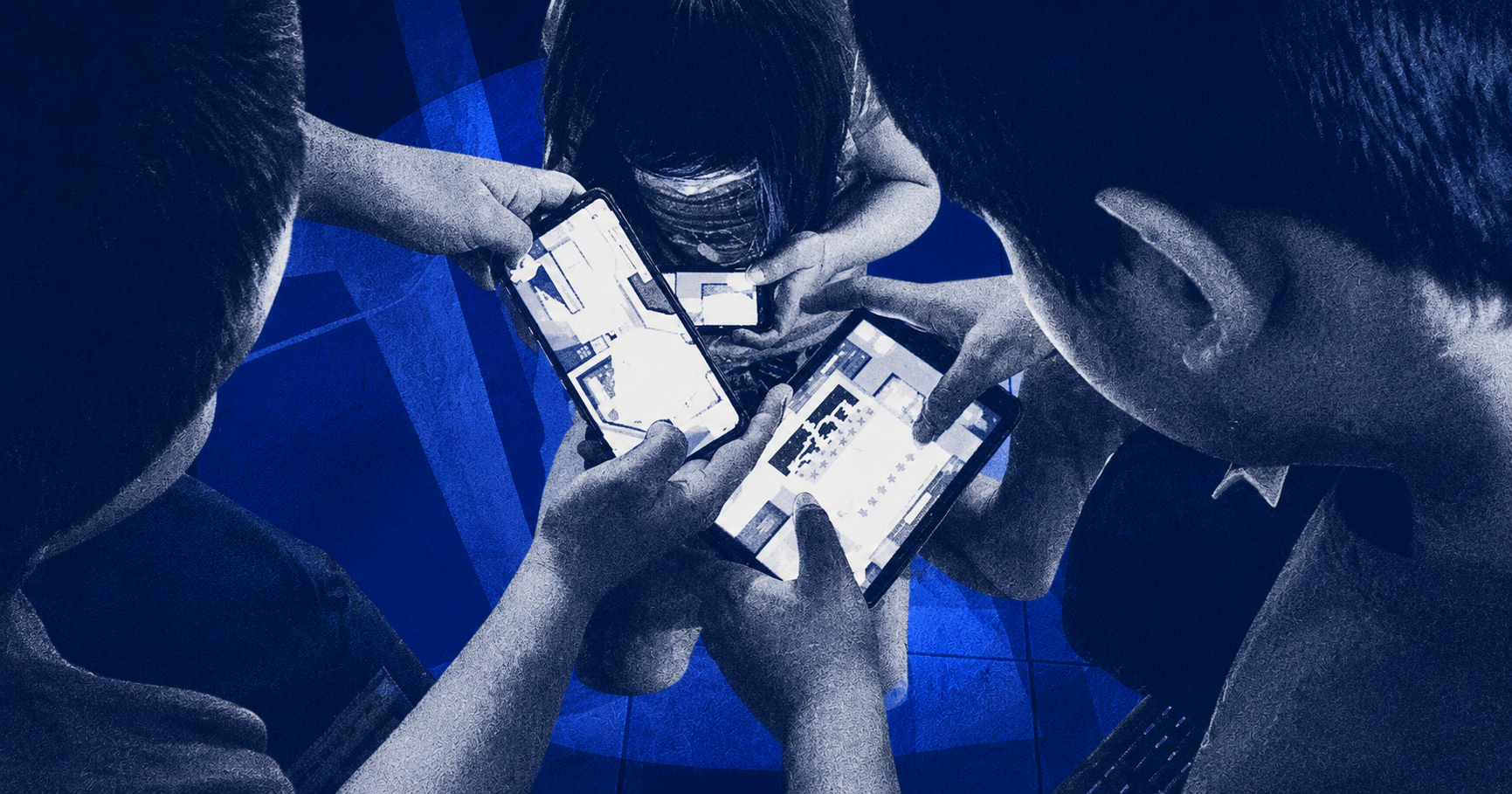
That is why the recent calls to ban violent online games following the Tacloban school shooting have stirred a difficult conversation. After investigations revealed that one of the teenage suspects had frequently played the game GoreBox, officials moved to temporarily block the game, while the Department of the Interior and Local Government urged Congress to study a permanent ban on violent video games. The proposal reflects a genuine concern for the safety of Filipino children—a concern that deserves to be taken seriously.
Yet I cannot help but ask: are we confronting the roots of violence, or merely cutting off one of its branches?
Banning violent online games may be part of the conversation, but it should never become the conversation itself. If we reduce youth violence to a single application downloaded on a phone, we risk overlooking the deeper wounds that no software update can fix.
First, violence is rarely born from a screen alone. Initial police investigations into the Tacloban shooting indicated that the teenage suspects may have acted after experiencing bullying. Authorities also found that they gained access to real firearms through adults in their households. These facts do not excuse the crime, nor do they eliminate the need to examine violent digital content. They simply remind us that real-life violence often grows where multiple failures converge—broken relationships, unresolved trauma, easy access to weapons, and environments where pain is left unheard. A game may influence behavior, but it cannot fully explain why a child chooses to pull a real trigger.
Second, I fear that banning games may become society’s fastest answer because it is also its easiest one. It is easier to uninstall an application than to rebuild trust inside schools. It is easier to block a platform than to strengthen guidance counseling. It is easier to blame pixels than to confront bullying, neglect, or the silent struggles many young people carry every day. We should be careful not to mistake a visible symptom for the disease itself. Otherwise, we may celebrate solving a problem while the real causes continue to grow unnoticed.
Third, protecting children requires responsibility that extends far beyond censorship. Violent content should be subject to appropriate age restrictions, stronger parental supervision, and responsible enforcement of content ratings. Schools should strengthen anti-bullying programs, while families and communities must create spaces where children feel safe enough to speak before their frustrations become dangerous. Government intervention has an important role to play, but so do parents, educators, mental health professionals, and every adult entrusted with shaping a child’s character. A safer generation cannot be built through bans alone; it must also be built through guidance, accountability, and compassion.
If I were to improve the government’s response, I would support a comprehensive approach rather than a single solution. Study violent games carefully, enforce age ratings consistently, Hold digital platforms accountable for child safety. But invest just as seriously in school counseling, anti-bullying initiatives, digital literacy, and mental health services. We cannot protect children merely by changing what appears on their screens if we fail to change what they experience beyond them.
The issue before us is larger than GoreBox. It is larger than online games. It is about how we respond whenever young lives are lost.
A society is tested not only by how quickly it reacts, but by how wisely it understands. If we allow fear to simplify a complex tragedy, we may win a battle against one application while losing the larger fight against the conditions that produce violence.
Because children are not shaped by one screen alone. They are shaped by the homes that raise them, the schools that teach them, the communities that surround them, and the choices of the adults they look up to.
Before we ask what they played, perhaps we should first ask what they lived through.
And when the answers finally come, let us have the courage to hold accountable those who truly failed them—not only the platforms that hosted a game, but also the adults who neglected warning signs, the systems that allowed bullying to persist, those who enabled minors to access deadly weapons, and every institution that could have intervened before tragedy unfolded.