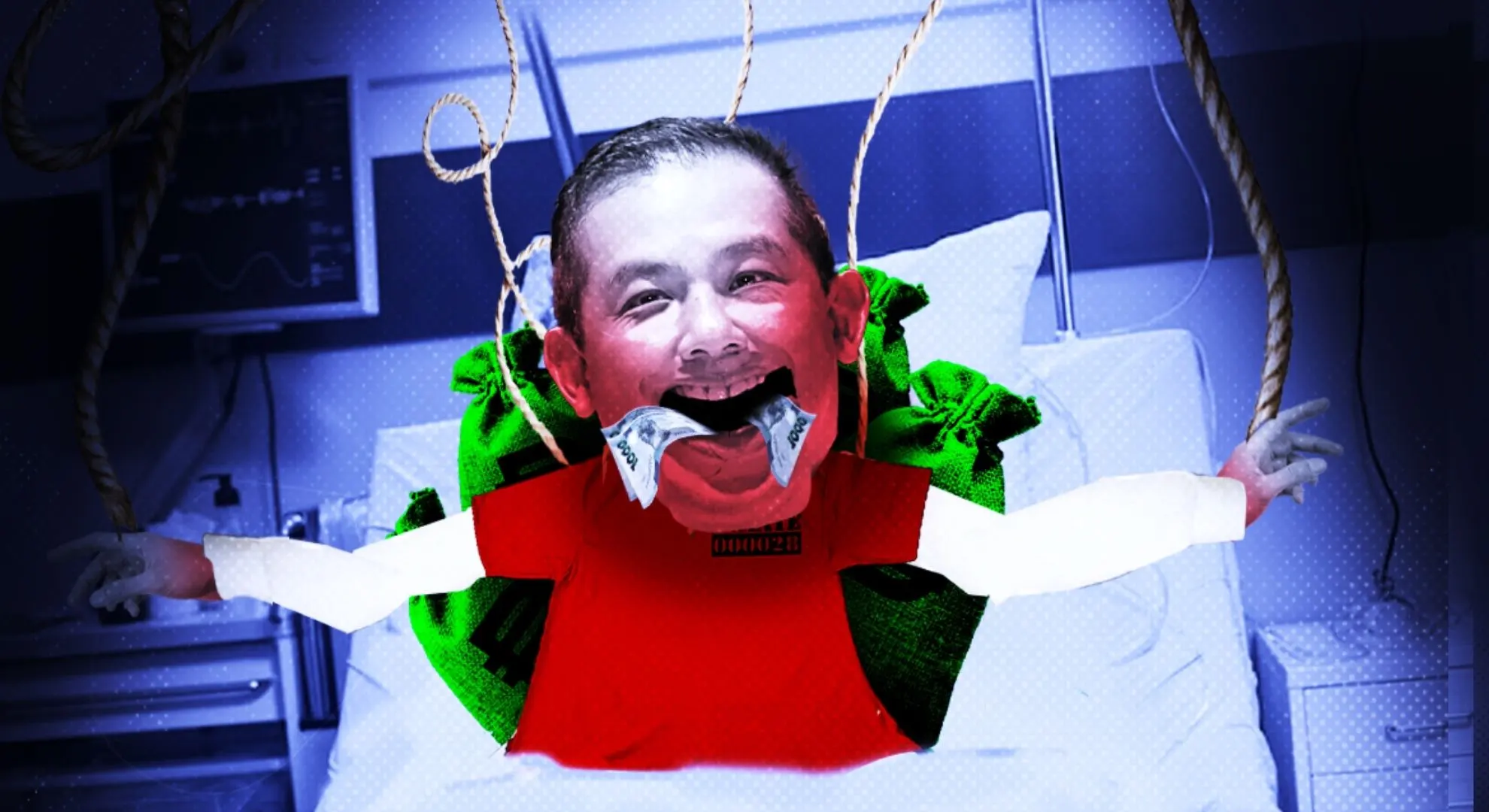


Why does leadership change inside the Senate suddenly dominate headlines? And why should ordinary citizens care?
Here’s the actual thing.
Lawmaking and committee control
Leadership positions in the Philippine Senate shifted between May and June as part of an internal revamp, affecting committee chairmanships and influencing how key national issues are handled. These changes matter because Senate committees are where most bills are studied, debated, and shaped before taking it to the president for signing.
The reshuffle involved senators exchanging or being reassigned to different committee leadership roles. Committee chairpersons hold significant power: they decide which bills are prioritized, which hearings are conducted, which budgets are to be allowed for approval, and how investigations proceed. In simple terms, whoever chairs a committee can influence what issues move forward–or stall.
Rules and regulations
According to the Senate’s official rules, committees play a big role in reviewing bills, conducting hearings, and shaping legislation, making leadership positions highly influential.
Additionally, in the Philippines, the senate president is elected by a majority of all senators (at least 13 out of 24), as stated in the Constitution. This means that leadership can change anytime there is enough support for a new leader. While not mandated by law to happen annually, internal changes often occur after political shifts, new alliances, or performances within the legislative council.
One might ask: Why does it happen?
Leadership changes usually happen due to:
-
Political realignments - Senators may shift alliances depending on national issues.
-
Performance concerns - Committee outputs and legislative priorities may influence decisions.
-
Power balancing - Leadership roles are often redistributed to maintain cooperation amongst political blocs.
New leaders, new priorities
The May-June leadership revamp in the Senate refers to a “reshuffle” of who leads which committee. Since committees are responsible for reviewing proposed laws and conducting investigations, changing their leaders can directly affect how fast–or whether–certain issues move forward.
After a leadership reshuffle, the Senate continues its regular functions, but with potentially new priorities. Committees resume hearings, review pending bills, and may reopen or redirect investigations.
Historically, leadership reshuffles are not unusual. They often occur during periods of political transition, such as after elections, during shifts in alliances, or when major national issues arise.
Previous Senate reshuffles
For example, in 2016, after the national elections, Senator Kiko Pimentel was elected Senate President following a reorganization of alliances aligned with the incoming administration of Rodrigo Duterte. This led to a redistribution of committee chairmanships among senators supportive of the new leadership. These changes reflect the fluid nature of political relationships within the Senate.
A Senate leadership reshuffle is more than an internal political adjustment, it shapes how laws are crafted, debated, and approved. By determining who leads key committees, it influences which issues move forward and which are left behind. For the public, this means that shifts inside the Senate can quietly–but significantly–affect national policies and everyday life.