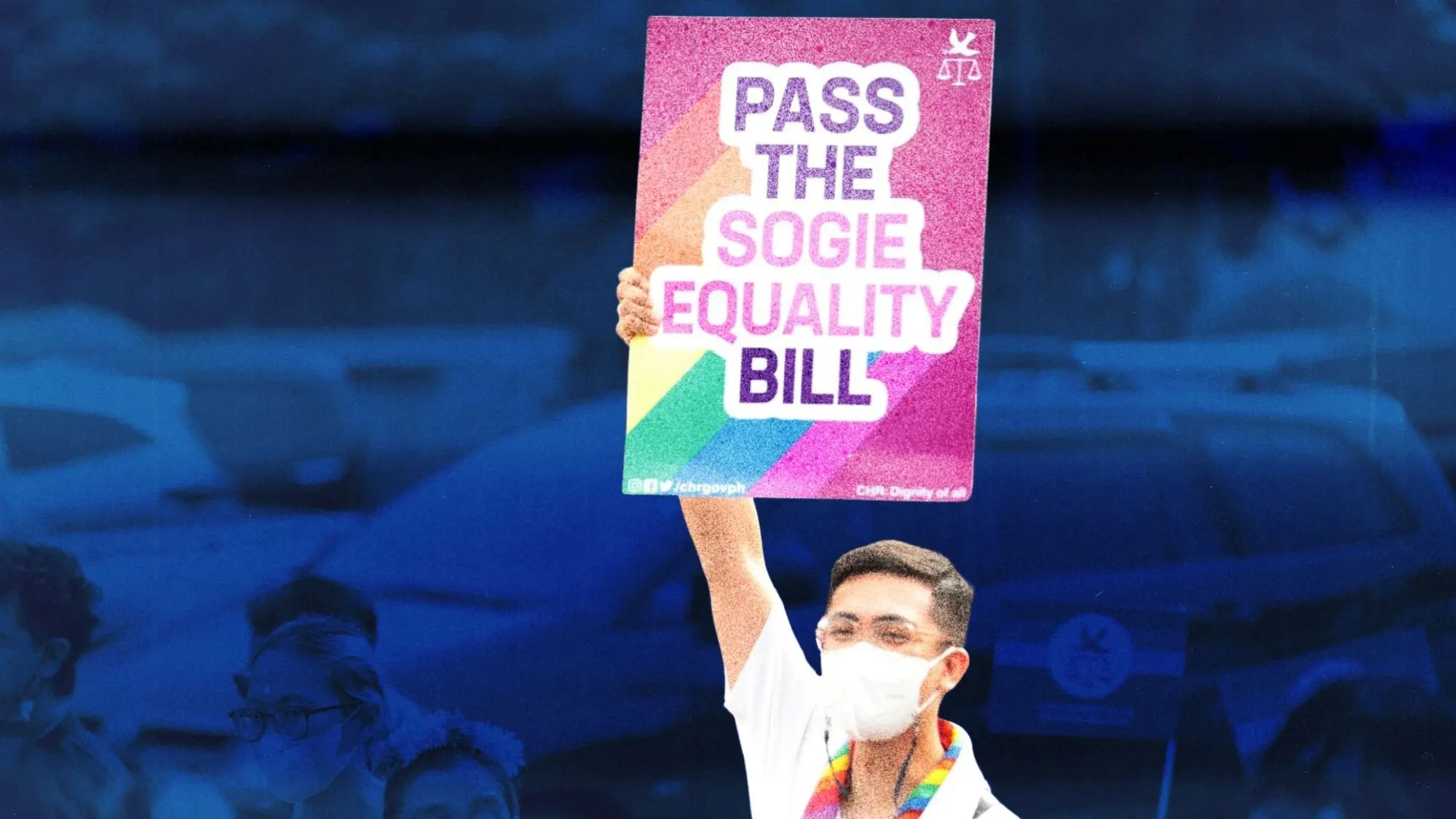
Pride is not a moment, it is a movement
Being an ally means understanding that support for the LGBTQIA+ community is a commitment, not a seasonal gesture. Allyship goes beyond rainbow themed posts and continues even when speaking up is uncomfortable. It means challenging prejudice, refusing to normalize discrimination, and helping create spaces where people can live authentically and safely.
At its core, allyship listens, learns, and acts because dignity, fairness, and respect belong to everyone.
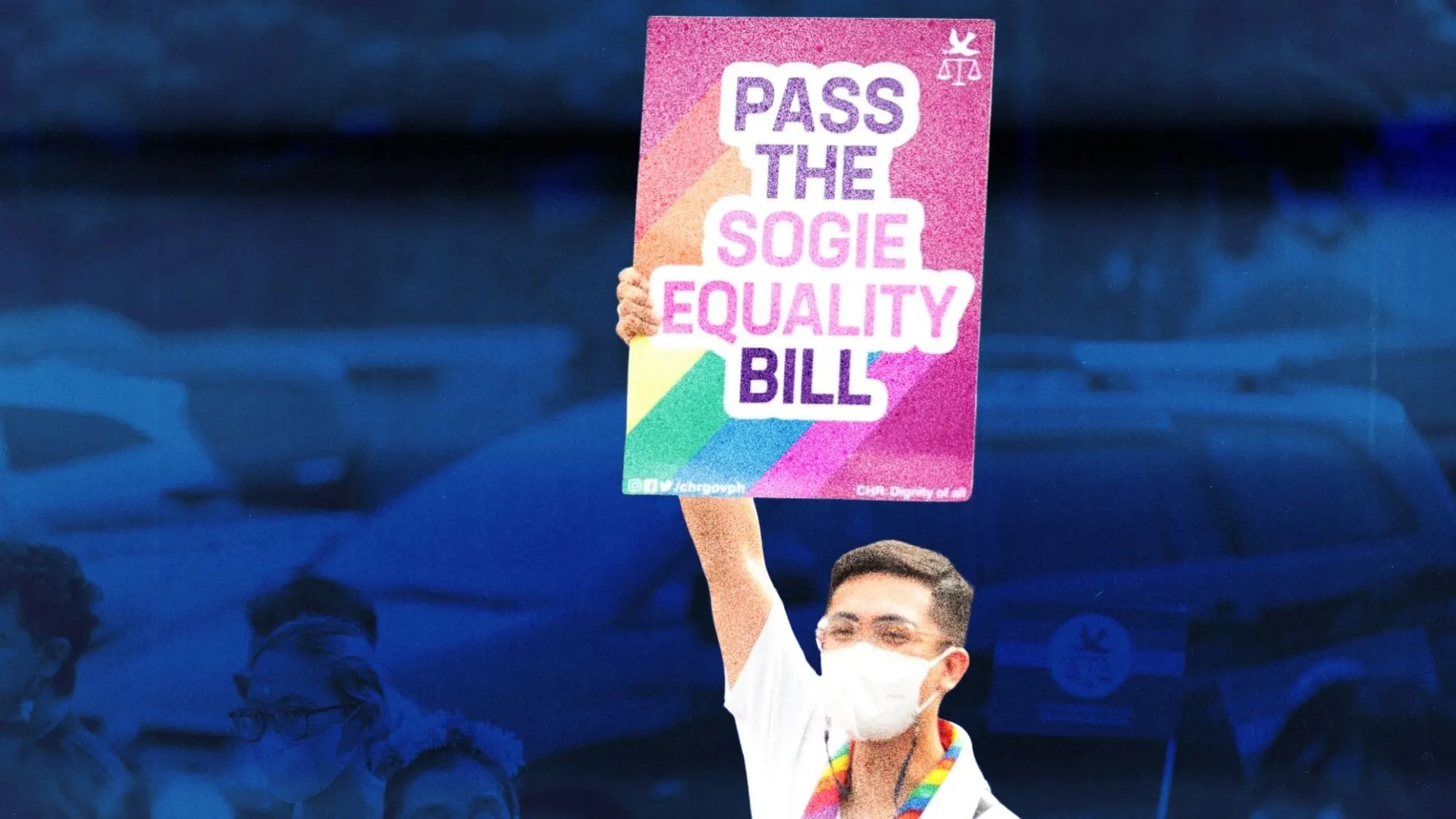
The SOGIE Equality Bill seeks to uphold the constitutional guarantee of equal protection under
the law by prohibiting discrimination based on sexual orientation, gender identity, and gender expression. It defines key SOGIE concepts and penalizes discriminatory acts in employment, education, public services, housing, and other areas.
The bill also prohibits practices such as forced conversion efforts, non-consensual disclosure of identity, harassment, and gender profiling.
The measure remains relevant because many queer Filipinos continue to experience bullying, exclusion, and unequal treatment in schools, workplaces, and public spaces. Its passage aims to ensure that every Filipino is protected from discrimination and can live with dignity and equal rights.
What is SOGIE?
SOGIE stands for Sexual Orientation, Gender Identity, and Gender Expression. These terms describe important parts of a person’s identity.
Sexual orientation refers to a person’s emotional, romantic, or sexual attraction to other people.
Gender identity, on the other hand, is a person’s inner sense of being male, female, both, neither, or somewhere along the gender spectrum.
Gender expression is how a person presents or expresses their gender through their appearance, clothing, hairstyle, behavior, or mannerisms.
Understanding SOGIE is important because it helps people recognize and respect the differences among individuals. It encourages awareness, acceptance, and empathy, while also helping prevent discrimination, bullying, and unfair treatment.
By learning about SOGIE, people become more open-minded and be able to uphold the dignity and rights of others better.
What is the SOGIE Equality Bill?
The SOGIE Equality Bill is a proposed law in the Philippines that aims to protect individuals from discrimination based on their sexual orientation, gender identity, and gender expression.
Its main purpose is to promote equal treatment and ensure that all people are given the same rights, opportunities, and respect regardless of who they are.
The bill seeks to address unfair treatment in important areas of daily life such as education, employment, and public services. In schools, it aims to stop discrimination such as denying admission, bullying, or excluding students because of their SOGIE.
In the workplace, it seeks to prevent unfair hiring practices, dismissal, unequal pay, or denial of promotion based on a person’s identity or expression.
It also protects people in public spaces and services by prohibiting the denial of access to hospitals, restaurants, transportation, housing, and government services due to prejudice.
Overall, the SOGIE Equality Bill is meant to help create a safer, more inclusive, and more equal society where everyone can live, study, and work without fear of discrimination.
Why is the Bill not passed yet?
A. History of the bill’s filing in Congress
The SOGIE Equality Bill has one of the longest legislative histories among pending equality measures in the Philippines. According to reporting and scholarly analysis, the first version of the bill was filed in 2000, and similar versions have been refiled in succeeding Congresses since then. Despite repeated filing, the measure has not been enacted into law because it has often stalled during committee deliberations, interpellation, or lack of final approval in both chambers. This long history shows that the bill’s delay is not due to a lack of legislative presence, but to persistent difficulty in moving it through the full lawmaking process.
B. Political and social debates surrounding the measure
The bill remains delayed because it is tied to strong political, religious, and social disagreements. Supporters frame it as a human rights and anti-discrimination measure that gives concrete protection to queer Filipinos, while opponents often argue that it may conflict with religious beliefs, moral values, or existing social norms. These debates have made the bill highly sensitive in Congress, where lawmakers often face pressure from advocacy groups, religious sectors, and the general public. As a result, discussion of the measure tends to move slowly and can be repeatedly reopened whenever new versions are filed.
*C. Challenges in securing legislative support *
One major reason why the bill has not been passed yet is the difficulty of securing consistent support across both the House of Representatives and the Senate. Even when a committee approves a version of the bill, it may still fail to advance if there is not enough backing for plenary debate and final voting. Reports also show that the bill has repeatedly been delayed in the Senate, where legislative caution and disagreement have slowed its movement despite continued advocacy. In short, the bill’s non-passage reflects not only debate over its content, but also the practical challenge of building a stable legislative majority.
Why does the bill remain controversial?
A. Common misconceptions about the measure
One of the most common misconceptions is that the bill would grant “special rights” to LGBTQIA+ individuals. In reality, the measure seeks to prohibit discrimination based on sexual orientation, gender identity, and gender expression, and to ensure equal treatment in schools, workplaces, public services, and other institutions. Another misconception is that the bill would punish personal beliefs or private religious convictions, when its focus is on discriminatory acts in public and institutional settings. These misunderstandings have sustained public resistance and have made it easier for misinformation to spread around the bill.
B. Reasons the bill has yet to become a law
The bill has not become a law because it remains caught between the need for legal protection and the persistence of social resistance. Many Filipinos and policymakers continue to debate whether existing laws are enough, while advocates argue that current protections are fragmented and insufficient. The bill’s failure to pass also reflects broader structural issues in Philippine lawmaking, including slow committee action, repeated refiling, and the difficulty of resolving politically sensitive issues. Until these barriers are overcome, the bill is likely to remain pending despite continued public support from human rights and LGBTQIA+ advocates.
When Pride ends, discrimination remains
Despite policies that prohibit bullying and promote equality, many queer Filipinos continue to experience discrimination. In schools, students often face verbal abuse, ridicule, exclusion, and pressure to conform to traditional gender expectations. Some also experience physical violence and harassment.
These incidents frequently go unaddressed, leaving many students feeling unsafe and affecting their academic performance and well being.
Discrimination also extends beyond schools. Negative attitudes shaped by cultural norms and misconceptions continue to contribute to stigma and exclusion in many areas of society.
Persistent prejudice has been linked to poor mental health outcomes, including anxiety, depression, and chronic stress, forcing many LGBTQIA+ individuals to hide their identities to avoid rejection and mistreatment.
Advocates continue to push for stronger legal protections because existing policies are often inconsistently implemented and provide limited remedies for discrimination. They argue that measures such as the SOGIE Equality Bill are necessary to explicitly prohibit discrimination based on sexual orientation, gender identity, and gender expression while establishing accountability mechanisms.
Legal protection would not grant special rights. Rather, it would affirm the constitutional principle of equal protection under the law and ensure that no person is denied opportunities, services, and dignity because of who they are.
Advocates view these protections as an essential step toward creating safer and more inclusive communities where every Filipino can live authentically and free from discrimination.