
Everything has an expiration date.
“Pwede pa ‘yan nak kahit expired.”
Death begins quietly. In the human body, autolysis starts the moment life ends. Cells consume themselves from within, breaking down long before the first visible signs of decay. Rot follows when outside forces invade what can no longer keep itself alive.
The Philippines, once a nation celebrated for its rich culture, resilient people, and vibrant identity, is experiencing a similar fate. Its decay did not begin overnight—it began when self-interest was placed above public service, and when silence became easier than action.
“Hayaan mo nang magutom, wala tayong may magagawa diyan.”
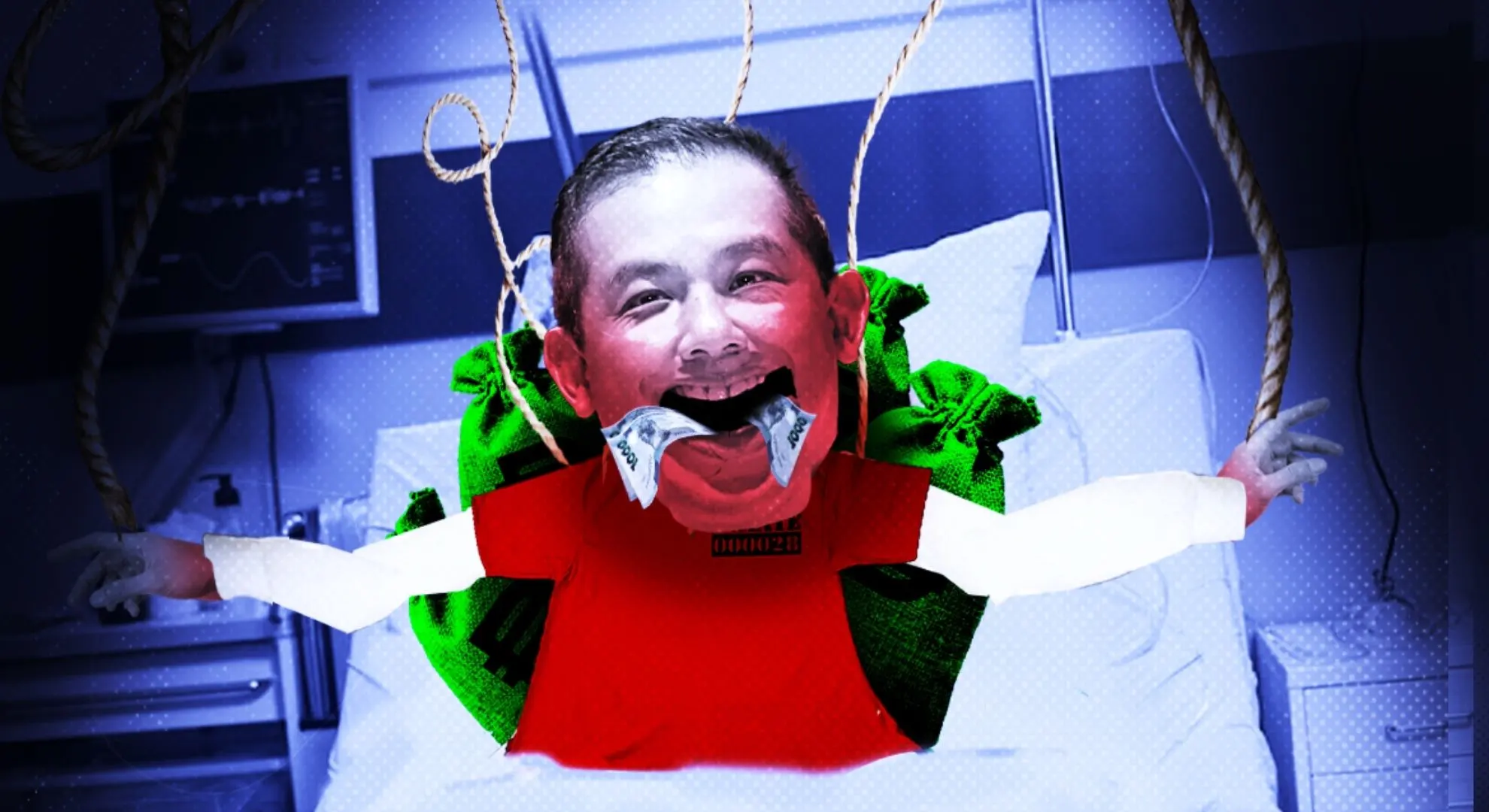
According to Transparency International’s Corruption Perceptions Index, the Philippines ranks among the countries struggling the most with corruption, while surveys show that a majority of Filipinos believe it. Despite the public awareness of the problem, meaningful change remains at a zero. Corruption has become the nation’s bad apple, releasing its influence into every corner of society, accelerating its deterioration of institutions meant to serve the Filipino people.
The odor of decay lingers not because corruption is hidden, but because it has become familiar. Filipinos recognize it, complain about it, and expect it, yet acknowledgment has not transformed into collective action.
“Kumuha ka lang sa kapitbahay, ‘wag ka ng magmuno.”
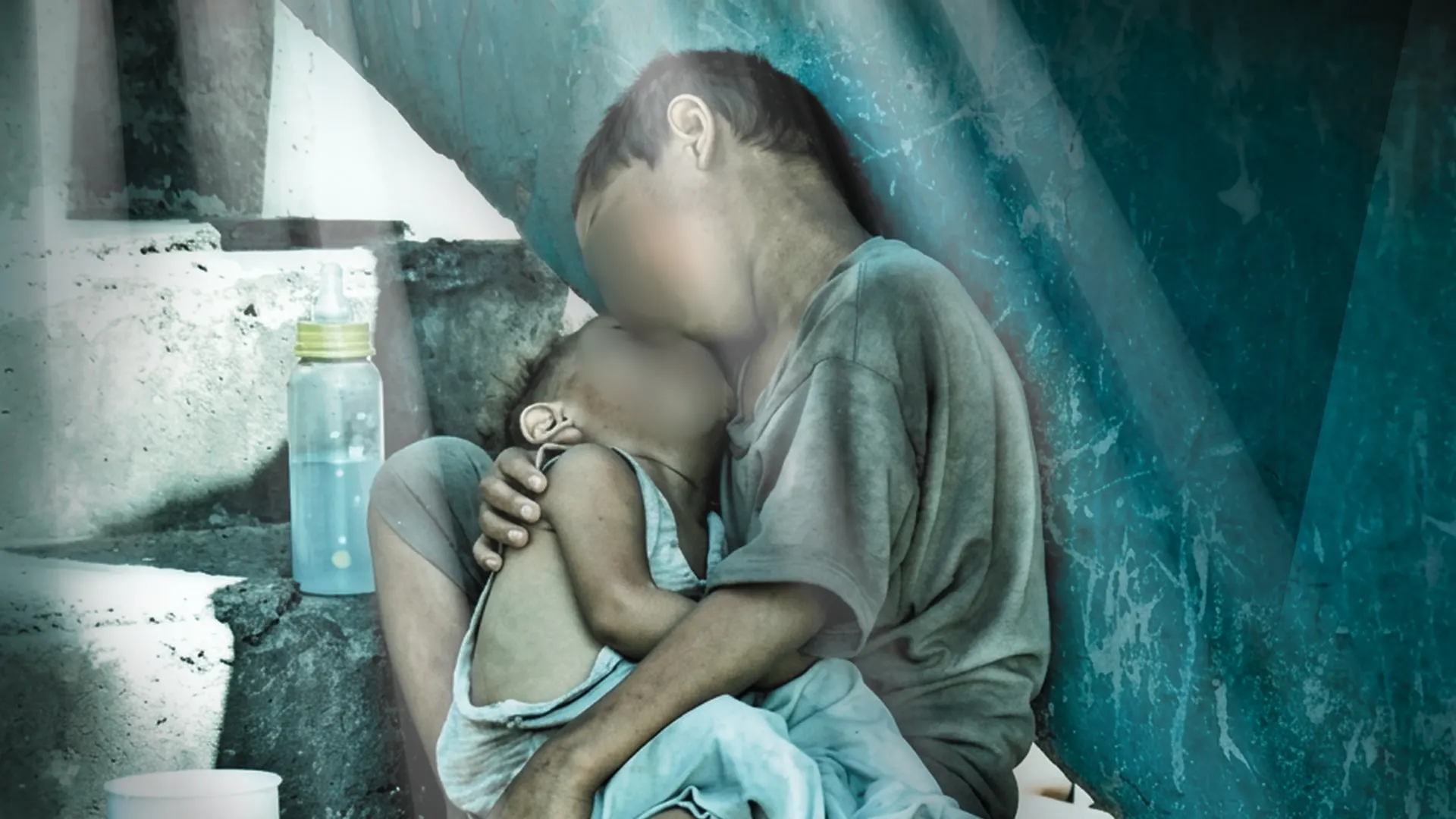
It is said that a country is a reflection of its people. Yet people are also reflections of the conditions they are forced to live with. In a nation where millions struggle with food insecurity, prosperity dies as hunger prospers. Families skip meals while prices continue to skyrocket, parents stretch their resources beyond their limits, and children learn too early what it means to go without.
The roots of these hardships extend beyond individual choice. They are nourished by systems that prioritize personal gain over public welfare. The decay of governance becomes the decay of everyday life.
“Huwag ka ng mag-asa sa pagkain. Hindi mo ‘yan makukuha sa tanong.”
Filipino resiliency is celebrated as one of the nation’s greatest strengths. Images of smiling faces after disasters and communities rebuilding from tragedy are shared as symbols of hope. Yet beneath those stories lies one truth: resilience should never become an excuse for neglect.
The people praised for their ability to endure suffering are still suffering. The slow, dry decay of the country is becoming increasingly visible, like an open book that many refuse to read. Communities continue to adapt, survive, and preserve, but survival should not be mistaken for collective progress. Filipinos deserve more than the opportunity to endure—they deserve the opportunity to thrive.
The question still stands: Do we rot because we are Filipinos, or do we rot because of the Philippines we have allowed ourselves to make?
A nation left to rot lives with the tragedy of what it could have been. Unlike decay, renewal is still possible. Rot is uncontrolled destruction. Fermentation, however, is transformation guided with purpose. The Philippines stands between those two paths: Whether it continues to decay or it begins to ferment with the demand of having better.