
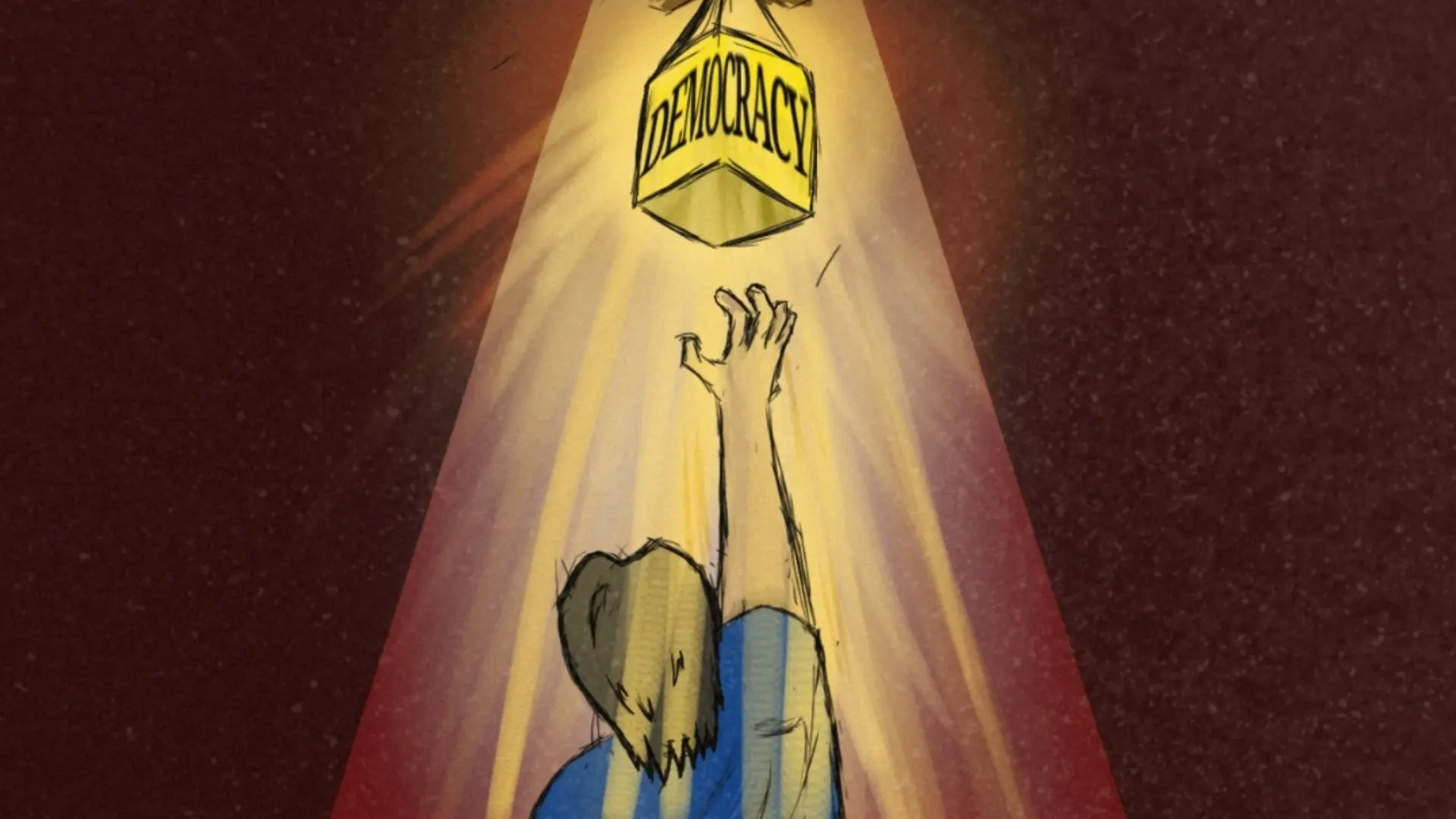
One of the biggest problems that the Philippines is currently facing is the attack against democracy itself, which comes in forms like vote buying and the existence of political families. However, the issue also entails the loss of expression on the part of the voters to choose their leaders properly. Moreover, the refusal to accept the results of an election reflects a deeper problem: the rise of political fanaticism, in which loyalty to a candidate or camp can outweigh respect for democratic outcomes.
The very centerpoint of this issue lies a more fundamental problem: the people themselves. Many older voters continue to engage in political patronage, viewing politicians not as public servants but as idols or benefactors. This mindset perpetuates a cycle of poor governance and hinders genuine change. Worse still, politicians often downplay or even fear the role of the youth in shaping the nation’s future. But they should beware that youth suffrage is not just a right—it is a force capable of defending and transforming democracy.
They are afraid of us becoming educated voters.
Unfortunately, there have been instances wherein previous generations have voted on the basis of popularity, money, and other superficial reasons while completely ignoring essential traits such as education, vision, integrity, and passion for public service. Although voter education has been restricted primarily by the lawmakers themselves, the youth has already started to rise. Based on a report published by The Philippine Star, millennials account for 60% of the country’s voting population, which also includes another 18.3 million voters from Gen Z.
Politicians are afraid of educated people, and they have valid reasons to be scared. For more than ten years now, Senate Bill No. 2472, written by the late Senator Miriam Defensor Santiago, has remained in the Committee. This bill seeks to incorporate voter education in the junior and senior high school programs so that the young generation would be prepared to choose their politicians wisely.
Yet, despite institutional resistance, the youth are finding alternative avenues to learn. Social media has become a vital platform for political awareness and education. Millennials and Gen Z are beginning to demand accountability, evaluate candidates more critically, and set higher standards for leadership. They are no longer content with mere slogans or celebrity status; they seek substance, vision, and commitment to public service.
The youth of today is no longer an onlooker. Instead, they become advocates, and educators of their generation. They have created a movement revolving around responsible voting and effective governance. They know that for true freedom from the chains of conventional and patrimonial politics, it would be necessary to revolutionize the concept of voting.
The advent of youth suffrage is not just another political phenomenon. Rather, it reflects the very nature of democracy and is our best hope against political dynasties, vote-buying, and decision-making without knowledge. With each step they take toward establishing themselves as stakeholders in the political process, it becomes clear that we do indeed have the power to make a change in our country.
The future of democracy in the Philippines lies with our young people. And, I am prepared— we are prepared.